
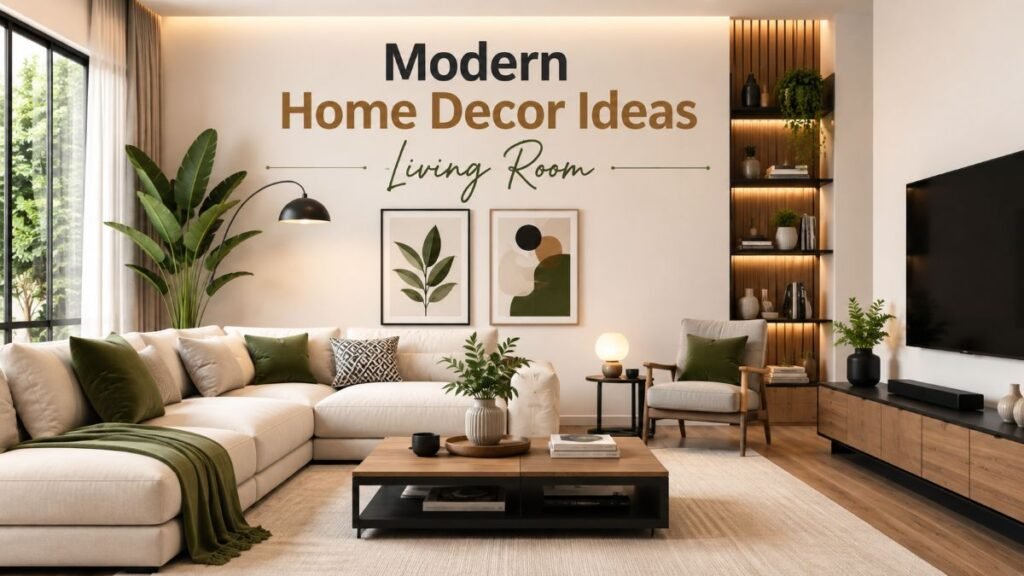
That freshly painted room feels more like a cold hotel lobby than a sanctuary. Most homeowners waste money blindly copying Pinterest trends, leaving spaces feeling cluttered and hollow. True aesthetic transformation isn’t about designer price tags—it’s about psychology, texture, and proportion. If you want to bypass typical design traps, mastering modern home decor ideas creates a space that balances visual harmony with everyday life.
Ditching the Showroom Trap: Designing for Real Life
The biggest mistake people make when upgrading their living spaces is designing for a camera lens rather than human comfort. Catalog photographs use dramatic angles and oversized furniture that make rooms look massive, but in reality, they block natural walking paths and create cramped living conditions.
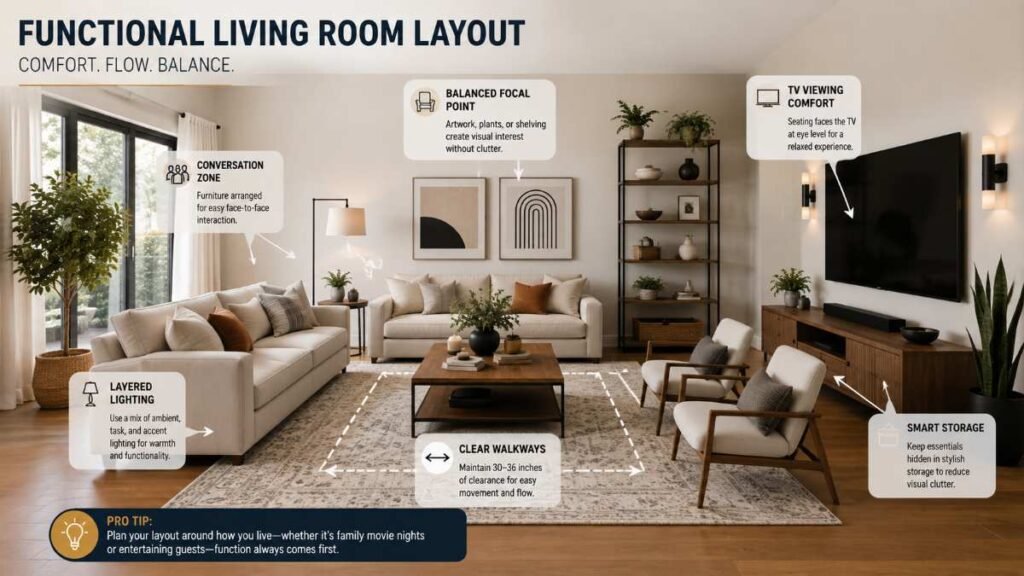
When planning your layout, focus heavily on functional zoning. Before you select a single paint swatch or decorative accent, analyze how your household naturally moves through the space. If you love hosting dinner parties, your primary focus should be an open, inviting traffic flow rather than cramming an oversized sectional into a tight corner.
- Rule of Thumb for Spacing: Always double-check your main walking corridors. Leaving a clear gap of 30 to 36 inches around primary pieces ensures your family isn’t awkwardly dodging coffee tables daily.
A great foundation starts with getting your room layout right. For instance, understanding proper spatial organization can drastically change how open a room feels, especially when working around permanent fixtures like entertainment units (you can read more about spatial flow in this guide on how to arrange a living room with a tv).
Layering Textures Over Trendy Colors
Color trends come and go every single year. One season dictates moody dark greens, while the next demands ultra-minimalist beige. Chasing these trends leaves you with exhausting, expensive repainting cycles.
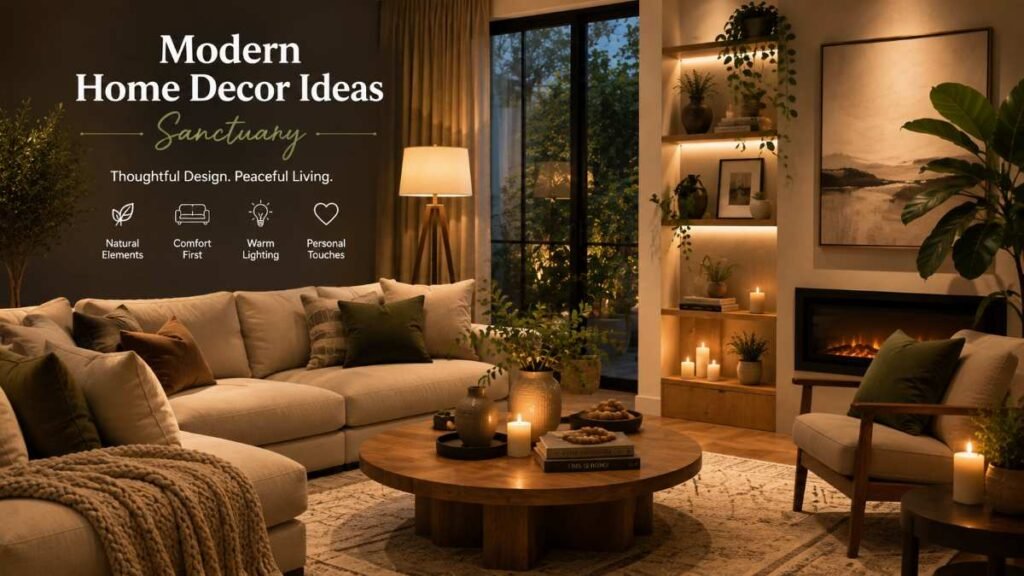
Instead of obsessing over wall colors, master the art of textural layering. A neutral color palette consisting of warm whites, soft grays, and earthy taupes becomes instantly captivating when you introduce contrasting textures.
In our design practice, we usually recommend balancing hard, reflective surfaces (like glass coffee tables or polished concrete) with soft, organic materials (such as heavy boucle fabrics, raw jute rugs, or reclaimed timber beams).
- Wood and Stone: Incorporate raw, organic elements like a live-edge wooden coffee table or honed travertine side tables.
- Textiles: Mix heavy wool throw blankets with boucle accent chairs and raw linen curtains to diffuse natural sunlight softly.
- Metals: Use matte black, brushed brass, or oil-rubbed bronze hardware to break up monotonous flat surfaces.
When you blend these tactile elements thoughtfully, your space gains warmth and depth without requiring loud, distracting wall colors
The Power of Architectural Lighting Layers
Overhead glare or dim corners can instantly ruin the vibe of an otherwise gorgeous room. Relying on a single, harsh ceiling light fixture instantly drains all warmth and character out of an interior, making it feel like an office cubicle.
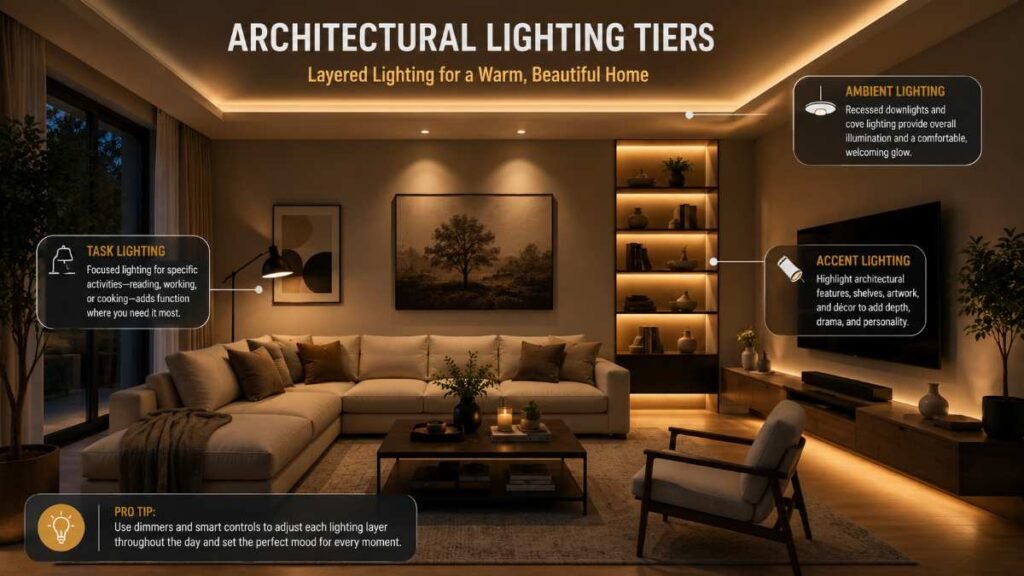
Professional interior designers rely on a three-tier lighting strategy:
- Ambient Lighting: General overhead illumination (like recessed LED fixtures or flush mounts) to light up the whole room safely.
- Task Lighting: Focused lighting designed for specific activities, such as reading lamps by an armchair or under-cabinet strip lighting.
- Accent Lighting: Decorative lighting used to highlight focal points, architectural details, or artwork.
- Actionable Tip: Use warm color temperatures between 2,700K and 3,000K for all living spaces to maintain a cozy, inviting residential atmosphere instead of a clinical office feel.
To integrate this effortlessly into a modern ecosystem, consider pairing your lighting tiers with automation systems. Automating your fixtures allows you to shift the mood of your home seamlessly throughout the day. You can explore smart automation workflows in this detailed breakdown on smart home automation. Furthermore, for those looking to upgrade their physical environment during a larger renovation, upgrading key structural elements like windows can drastically improve natural light diffusion (learn more via energy efficient windows).
Maximizing Compact Spaces Without Clutter
Not everyone lives in a sprawling suburban estate. Many homeowners struggle with compact floor plans, awkward corners, and limited square footage. When space is at a premium, clutter accumulates fast, instantly making rooms feel smaller and more chaotic.
Embracing modern home decor ideas in smaller areas means prioritizing multi-functional furniture and vertical storage. Instead of bulky wardrobes that eat up floor space, utilize built-in wall shelving or hidden storage ottomans.
Room Challenge | Traditional Approach (Mistake) | Modern Space-Saving Solution |
Small Living Room | Massive L-shaped sectional blocking flow | Modular sofa with slim legs + floating media console |
Cluttered Entryway | Stacking shoes and coats on chairs | Wall-mounted hooks with built-in hidden shoe cabinets |
Compact Bedroom | Standard bed frame with wasted under-bed space | Platform bed with integrated storage drawers |
- Actionable Tip: Keep floor visibility high. Choose furniture pieces raised on slender legs rather than bulky floor-length bases so light passes underneath, instantly making the room feel larger.
For additional inspiration on keeping tight quarters organized, you can check out these clever tips on small area decorating ideas and specialized layouts for bedroom storage ideas for small rooms.
Integrating Biophilic Design and Organic Elements
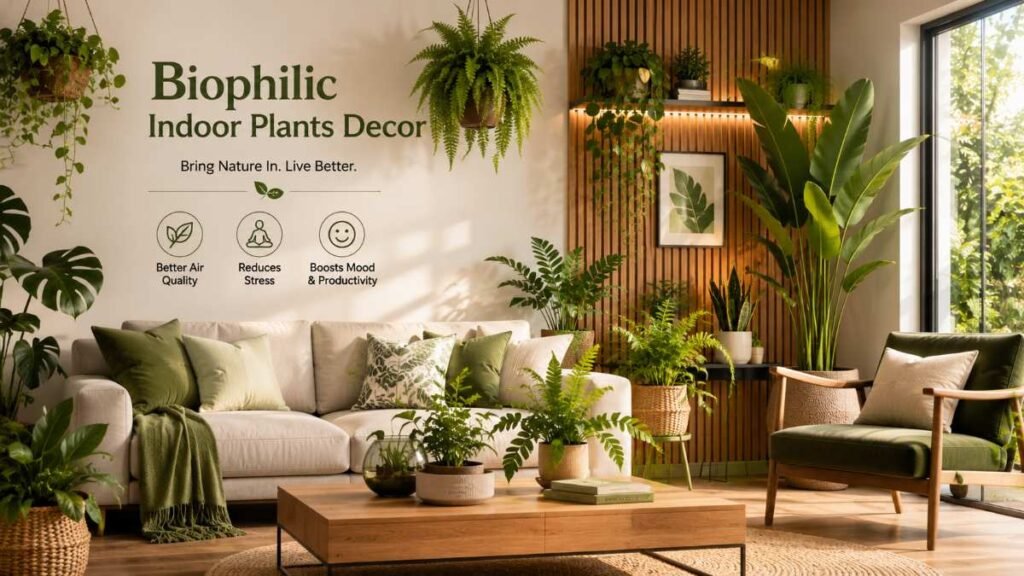
Biophilic design—the practice of connecting human architecture and interior spaces with nature—is no longer just a passing buzzword. Studies consistently show that bringing natural elements indoors lowers cortisol levels, improves air quality, and creates an instant sense of calm.
Rather than buying cheap plastic plants, invest in statement greenery that suits your home’s natural light levels. Snake plants, fiddle leaf figs, and cascading pothos add dynamic architectural shapes to empty corners.
- Actionable Tip: Group plants of varying heights in corners or near windows to create layered micro-landscapes that add organic motion and clean indoor air.
According to guidelines published by the U.S. Environmental Protection Agency (EPA), introducing natural ventilation and indoor flora significantly contributes to healthier indoor air quality, making your home not just visually stunning, but functionally healthier for your family.
Curating Art and Personal Artifacts
A common flaw in modern minimalist design is the absence of soul. When homes look like catalog pages, they often lack the personal artifacts that tell the story of the people living inside them.
Instead of buying mass-produced canvas prints from big-box stores, curate your walls with intention:
- Frame vintage maps, family photography converted to black-and-white, or original pieces from local artists.
- Display travel mementos on bookshelves, grouped by color or material to maintain visual cohesion.
- Leave some negative space. Not every wall needs to be covered; empty wall space allows the eye to rest.
- Actionable Tip: Hang artwork at eye level (roughly 57 to 60 inches from the center of the piece to the floor) to create a natural, gallery-standard viewing experience.
Balancing curated personal items with clean lines is essential for achieving authentic modern home decor ideas that feel deeply personal rather than staged.
Smart Integration: Technology Disguised as Decor
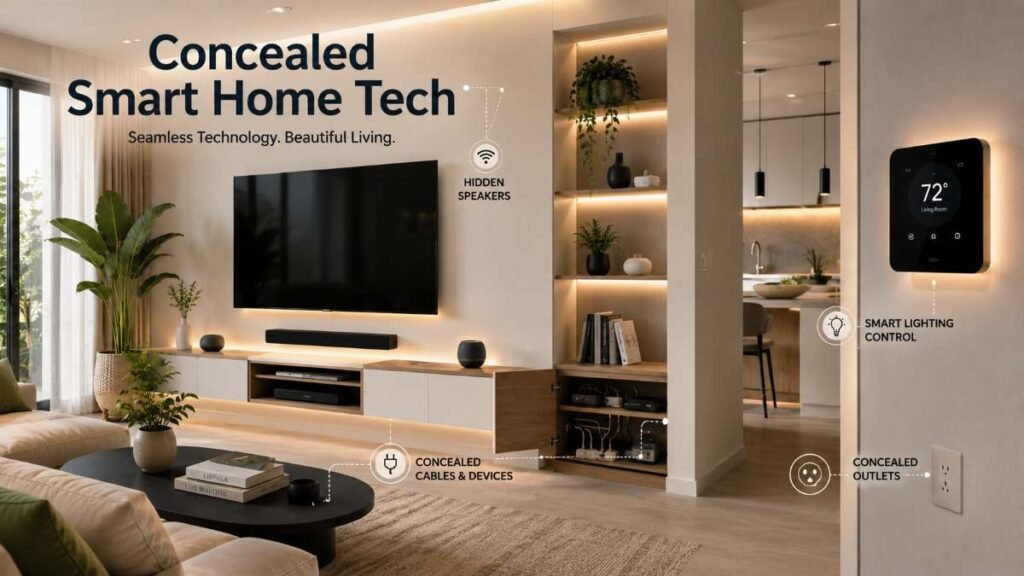
Technology is an integral part of daily life, but nothing ruins a sleek, organic aesthetic faster than a tangled nest of black wires, flashing router lights, and bulky plastic gadgets mounted awkwardly on a pristine wall.
Modern smart home integration requires stealth. Look for devices that double as decor or blend seamlessly into your finishes. For instance, choose smart thermostats with customizable display faces that match your wall color, or audio speakers wrapped in acoustic fabric that resemble modern art pieces.
- Actionable Tip: Hide charging cables and power strips inside custom in-drawer charging stations or behind magnetic raceways painted to match your wall tone.
To dive deeper into blending tech seamlessly into your living spaces, review expert insights on smart home installation. Furthermore, for external living spaces, extending your aesthetic outdoors with connected hardware can unify your property’s entire layout (see these practical smart backyard privacy ideas).
Modern Home Decor Ideas by Room
Adapting your aesthetic requires tailoring choices to specific functional zones:
- Living Room: Anchor the space with a low-profile sofa, a tactile wool rug, and hidden media storage. Keep surfaces clear of clutter.
- Kitchen: Utilize warm wood cutting boards as vertical decor, pair matte black cabinet pulls with neutral quartz countertops, and hide small appliances in appliance garages.
- Bedroom: Focus on breathable linen bedding, layered warm-toned bedside lighting, and sleek platform frames that eliminate visual floor clutter.
- Home Office: Combine a solid oak desk with hidden cable management grommets and a single statement plant to keep the work area calm and focused.
Common Mistakes to Avoid
- Over-Accessorizing: Filling every shelf and tabletop with knick-knacks creates visual noise. Let surfaces breathe.
- Ignoring Scale: Putting tiny rugs under massive sectionals or hanging oversized art on narrow walls ruins the visual balance of a room.
- Chasing Micro-Trends: Buying neon decor or hyper-specific viral TikTok items leads to buyer’s remorse within months. Stick to timeless foundations.
- Poor Cable Management: Leaving visible cords hanging from wall-mounted TVs or bedside lamps instantly undermines an otherwise expensive look.
Frequently Asked Questions
Q1. What are the current trends for home decor?
Today’s focus is warmth and functionality over quick fixes. Mixing natural textures, soft lighting, and smart modern home decor ideas keeps your home timeless without constant redesigns.
Q2. How does the 3-5-7 principle apply to home styling?
It’s a natural visual balance method using odd groupings. Arranging home accents like candles, frames, or vases in odd clusters of 3, 5, or 7 makes your modern home decor ideas look organic, relaxed, and professionally designed.
Q3. How to decorate a modern style home?
Prioritize open floor paths, 2700K warm lights, and layered fabrics. Avoid viral micro-trends; practical modern home decor ideas build a clean, comfortable sanctuary.
Q4. What decor is trending in 2026?
Hidden smart tech, rich textures, and eco-friendly woods dominate 2026. Blending these modern home decor ideas gives your space a cozy, high-end feel effortlessly.
Conclusion
Elevating your interiors doesn’t require endless budgets. By focusing on smart layouts and textural depth, these modern home decor ideas turn any room into a comfortable sanctuary. Which space are you redesigning first?
Author By: Dambar C. Rajbanshi About: A renovation strategist and home improvement enthusiast. Dambar specializes in budget-smart planning and functional kitchen design. He is dedicated to helping homeowners create spaces that perfectly balance beauty and practicality