
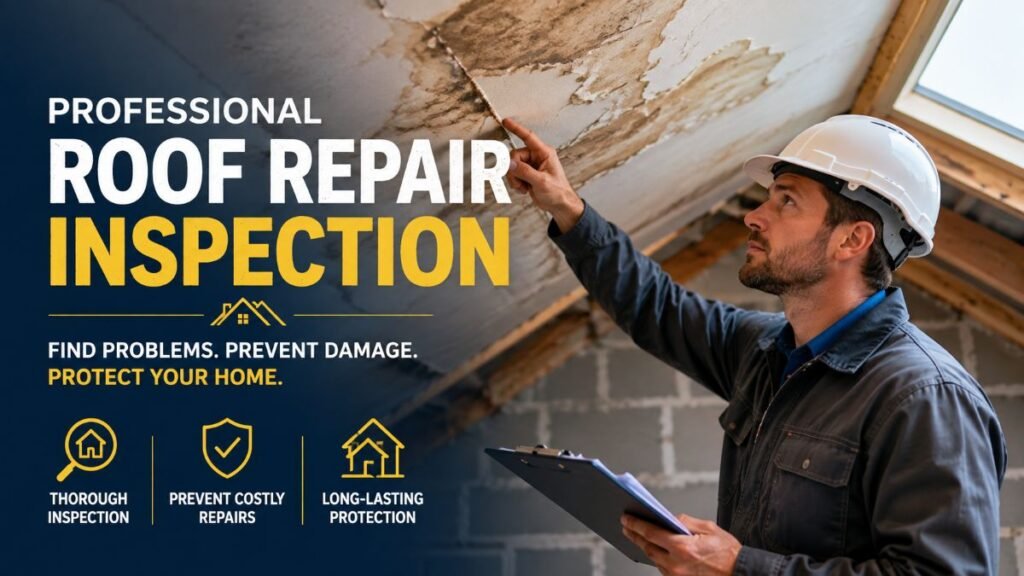
Have you ever walked down your hallway during a severe downpour, only to notice an ugly, yellowish-brown ceiling ring and the steady drip of water into a bucket?
That sudden emergency is your home sending an urgent distress signal. While many homeowners ignore minor leaks until next season, water damage quietly destroys structural framing, drywall, and insulation. Spotting minor damage early and booking a timely roof repair keeps small leaks from turning into massive, budget-breaking rebuilds.
How Small Leaks Drain Home Equity
Your roof acts as your home’s primary shield against harsh weather, constantly taking the brunt of heavy rain, baking sun, high winds, and freezing ice. Over time, even high-quality roofing materials begin to break down and lose their protective qualities.
When minor issues—such as cracked flashing around chimneys, loose shingles, or dried-out plumbing vent boots—are left unaddressed, moisture can quietly seep beneath the surface into the underlayment and plywood decking. According to guidelines from the National Roofing Contractors Association (NRCA), undetected roof leaks can eventually contribute to rotted wood, mold growth, indoor air quality concerns, and damaged rafters. What could have been a quick, inexpensive roof repair can quickly escalate into a major structural overhaul costing thousands of dollars.
What Experienced Homeowners Notice First (Real-World Red Flags)
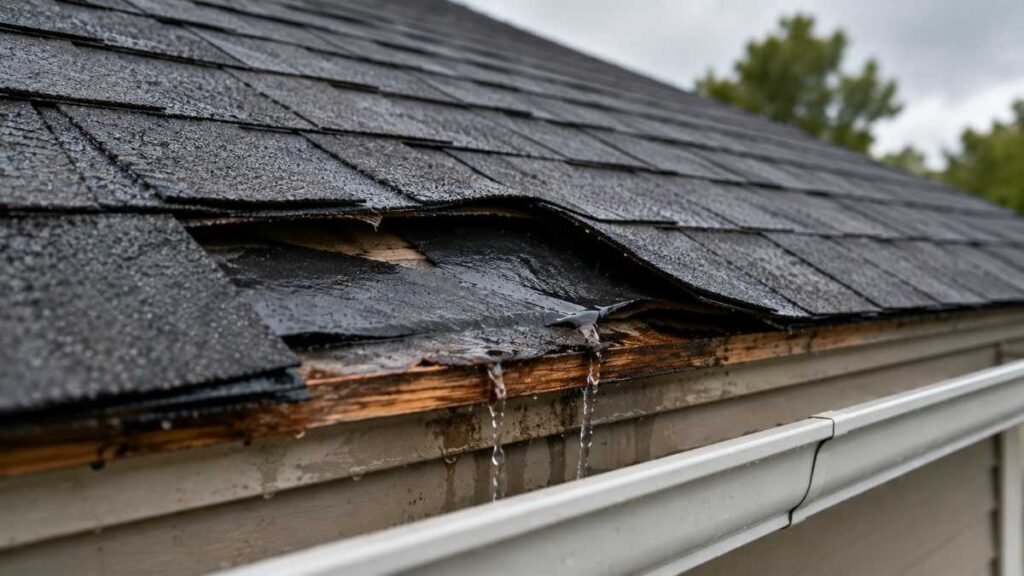
Seasoned homeowners and professional property inspectors know that a failing roof rarely breaks down overnight. Instead, it leaves subtle clues long before water starts dripping from your living room ceiling. Recognizing these early signs allows you to schedule a proactive roof repair before catastrophic structural rot takes hold inside your walls.
- Water Trails Near Vents and Chimneys: Dark streaks or subtle discoloration along roof penetrations usually signal failing flashing or cracked rubber sealant.
- Shingle Granules in Downspouts: Discovering piles of coarse, sand-like grit inside your gutters indicates that your asphalt shingles are shedding their protective surface layer and deteriorating fast.
- Unexplained Spikes in Utility Bills: If your summer cooling or winter heating bills suddenly skyrocket, moist insulation caused by roof seepage or improper attic airflow may be forcing your HVAC system to work overtime.
- Light Peeking Through Attic Boards: Stepping into your attic on a sunny day and seeing pinpoint spots of daylight through the roof deck is a clear sign that water can follow the exact same path down during the next storm.
When to Repair vs. When to Replace: The Decision Framework
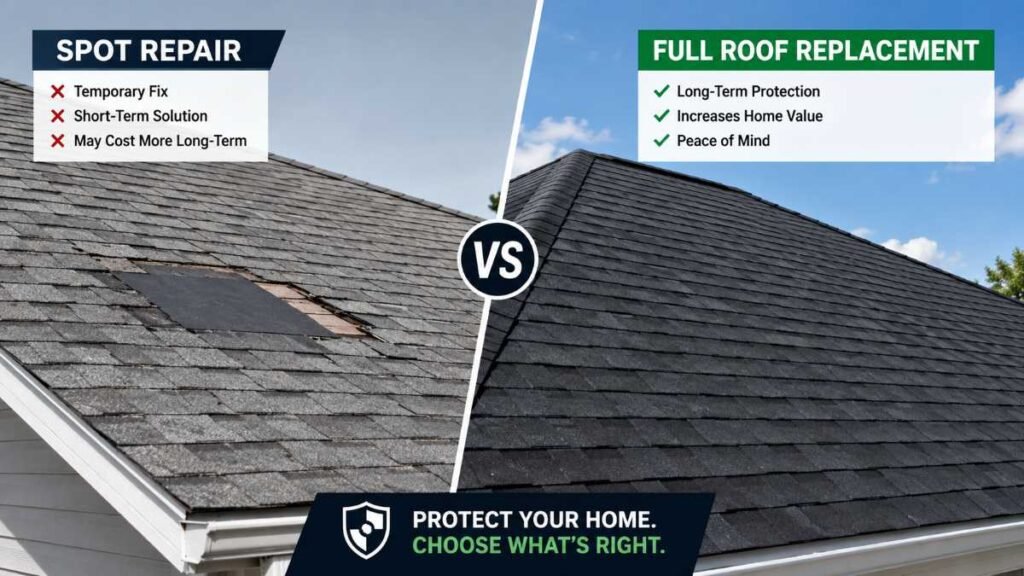
Not every roofing problem requires a full tear-off and complete replacement. Knowing how to accurately evaluate the scope of the damage will save you thousands of hard-earned dollars.
| Roof Assessment Decision Matrix |
| 1. Minor Leaks & Dislodged Shingles -> Spot Repairs |
| 2. Heavy Protective Grit Loss & Curling -> Partial Roof Restoration |
| 3. Sunken Roof Structure & 20+ Yrs -> Complete System Replacement |
Spot Leaks and Isolated Damage
If a heavy tree branch cracks a small section of shingles or strong wind gusts rip off a localized patch, a simple roof repair is usually all you need. Qualified local contractors can match your existing shingle color, swap out damaged underlayment, and reseal flashing without disturbing the surrounding structure.
Extensive Wear and Overall System Age
Severe Wear on Older Roofs: Once an aging roof reaches 20+ years and displays missing granules, curled edges, or repeated leaks in different rooms, temporary fixes are no longer a practical solution. Continuing to fix an aging roof is like putting a patch on a completely worn-out tire; it only buys a little time before a total replacement becomes unavoidable.
Essential Steps for Professional Roof Inspections
Before hiring a contractor or attempting any diagnostic work yourself, understanding what a complete roof evaluation involves helps you avoid unnecessary upsells and predatory pricing tactics.
Evaluating Flashing and Penetrations
The vast majority of roof leaks do not start in the middle of open shingle fields; they happen where roof lines intersect or around skylights, chimneys, and plumbing vents. Metal flashing naturally corrodes over time, and rubber boot seals dry out and crack under constant sun exposure. Focus on Critical Joints First: Inspecting these high-risk connection points ought to be your first step whenever you trace a roof leak.
Checking Attic Moisture and Ventilation
A truly thorough inspection requires crawling up into the attic space. Look for wet insulation, dark or moldy roof decking, and rusted nails sticking through the wood. Poor attic ventilation traps extreme summer heat and winter humidity, baking your shingles from underneath and dramatically shortening their overall lifespan. Taking care of your roof framing goes hand in hand with protecting other core areas of your home, such as preventing hidden leaks covered in our guide to emergency plumbing repair.
Evaluating Material Quality and Shingle Durability
Choosing the right materials during a maintenance job or full roof upgrade directly determines how well your home withstands severe weather over the next few decades.
Architectural asphalt shingles feature a heavy-duty, multi-layered fiberglass base that offers much higher wind resistance and durability than standard 3-tab shingles. Matching Shingle Specs: For major repairs or partial section fixes, aligning the weight, thickness, and surface grit with existing shingles ensures the repaired area ages uniformly with the rest of the roof. This prevents premature fading, keeps the roof looking consistent from the street, and stops moisture from creeping between uneven seams.
Furthermore, premium shingles often feature algae-resistant granules and enhanced thermal reflection, which reduces heat absorption during hot summer months. Investing in quality materials up front means fewer emergency service calls and better protection against hail, wind, and heavy rains.

The Hidden Costs of Deferred Roof Maintenance
Putting off home maintenance is one of the quickest ways to erode your home’s equity. When homeowners overlook minor granule loss or small flashing leaks, migrating water quietly ruins interior drywall, rots wall studs, and destroys attic insulation.
Addressing a small leak quickly keeps your property value strong and prevents unexpected structural repairs down the road. Protecting your roof envelope works alongside other key interior upgrades, such as taking smart precautions during major renovations detailed in our guide to avoiding bathroom remodeling hazards or preventing major layout blunders outlined in kitchen remodeling mistakes.
Over time, water damage hidden inside walls can also ruin surrounding finishes and cabinetry. If you are upgrading nearby spaces, proper moisture management protects surrounding investments, including custom carpentry like learning how to paint kitchen cabinets or choosing moisture-resistant materials from our comprehensive kitchen flooring guide.
Hiring the Right Roofing Contractor for Long-Term Protection
Finding the right contractor requires looking past flash sales and carefully reviewing written estimates, licenses, and insurance coverage.
Always make sure any specialist offering a major roof repair carries active state licensing, general liability insurance, and full worker’s compensation coverage. Ask for contractor credentials certified by leading manufacturers like GAF or CertainTeed. Make sure to get a clear, itemized written estimate that outlines warranty terms for both materials and labor, ensuring you are covered if an unexpected leak pops up after the job is finished.
Additionally, reliable contractors will provide a clear timeline, explain how they plan to protect your landscaping during the work, and detail their cleanup process, including magnetic sweeps to pick up stray roofing nails around your driveway and yard.
8. Integrating Roof Maintenance with Broader Home Resilience
Keeping your roof watertight is part of a complete strategy to protect your entire home from weather damage and seasonal wear and tear.
- Gutters and Downspouts: Clogged or sagging gutters force rainwater to pool right along your roof’s edge, rotting fascia boards and sub-roofing decks. Regular gutter cleaning and installing gutter guards protects your roofing investment just as effectively as a professional leak fix.
- Smart Home Climate & Moisture Sensors: Many homeowners use smart leak detectors and moisture sensors in attics and utility areas. These devices can connect with modern systems and send alerts when water is detected. Explore smart home automation and discover best smart home devices that help protect your home.Exterior & Yard Upgrades: Trimming overhanging tree limbs keeps heavy branches from scraping shingles during storms and reduces leaf buildup in your gutters. Keeping your yard neat pairs well with overall outdoor care habits, much like maintaining outdoor living zones covered in our lawn care habits guide or building resilient entertainment spaces highlighted in these creative outdoor kitchen ideas.
Final Verdict & Closing Thought
Your roof is the main line of defense protecting your family, home, and personal belongings from the elements. Treating regular roof maintenance as a key home ownership priority rather than an emergency reaction prevents expensive structural damage and keeps your home’s market value high.
Stay proactive: inspect your attic seasonally, clean your gutters twice a year, and take care of small repairs right away before a minor drip turns into a costly home emergency

People also ask
1. How do you do maintenance on a roof?
Inspect shingles seasonally for cracks or wear, clean gutters twice a year, trim overhanging branches, and address leaks early with a timely roof repair before damage spreads to your attic.
2. What is routine maintenance on a roof?
Routine care includes clearing debris, checking flashings around chimneys and vents, inspecting attic insulation for moisture, and getting minor roof repair work done to maintain structural integrity.
3. What are 5 items that regularly scheduled maintenance will check?
Shingle condition & granule loss
Flashing seals around vents & chimneys
Gutter airflow & drainage lines
Attic moisture & ventilation quality
Sub-roof decking for sagging or rot
4. How to service a roof?
Start with a ground-level inspection, clean out drainage paths, replace missing shingles, and hire a certified contractor for major roof repair jobs to ensure long-term, weather-tight protection.
Author By: Dambar C. Rajbanshi About: A renovation strategist and home improvement enthusiast. Dambar specializes in budget-smart planning and functional kitchen design. He is dedicated to helping homeowners create spaces that perfectly balance beauty and practicality