
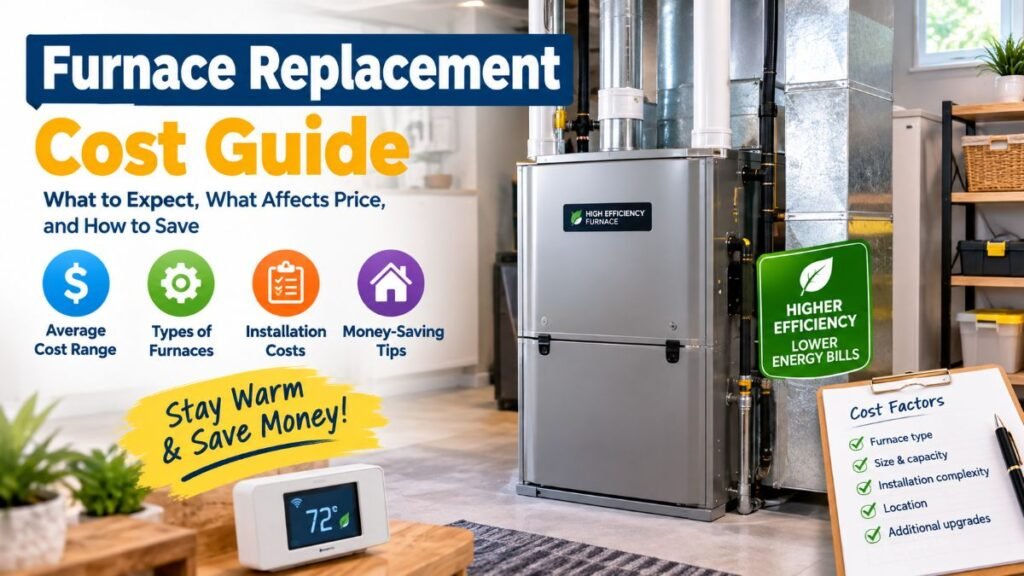
A sudden furnace breakdown in peak winter can freeze your budget instantly. Across the United States, an unexpected furnace replacement cost typically ranges from $4,000 to over $12,000 depending on your home’s hidden specs. Why do two identical houses on the same street get vastly different contractor quotes? Before signing an expensive proposal, uncover the exact efficiency ratings, hidden line items, and regional labor factors that dictate your final invoice.
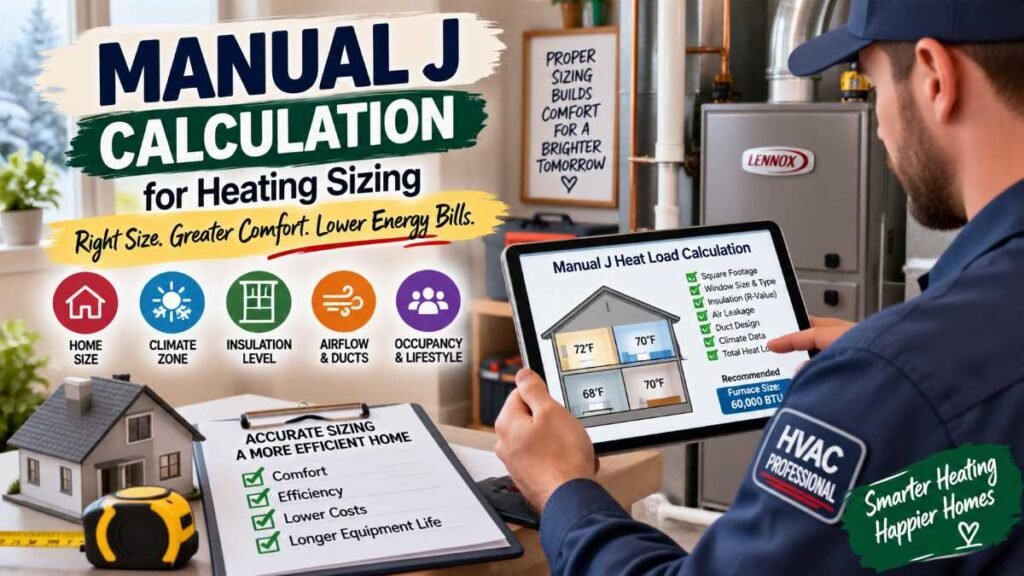
Calculating Unit Size: Why Sizing Requires a Manual J Load Calculation
Furnace capacity should be determined through a professional Manual J load calculation rather than a simple square-foot rule.
Relying strictly on room dimensions often results in improper sizing. Modern HVAC engineering accounts for multiple structural variables to calculate precise heating loads:
| HVAC MANUAL J LOAD ANALYSIS DATA |
| 1. CLIMATE SPECS : Extreme local outdoor design temperatures |
| 2. VOLUME METRICS : Total heated floor area and ceiling heights |
| 3. R-VALUE ASSESSMENT : Thermal resistance across roof, walls, and crawlspace |
| 4. GLAZING AUDIT : Pane count, frame materials, and window orientation |
| 5. AIR LEAKAGE RATE : Envelope tightness, draftiness, and ductwork loss
An oversized furnace cycles on and off rapidly, causing uneven temperatures, excessive component wear, and poor humidity control. An undersized unit runs continuously during cold snaps without reaching setpoints.
Labor charges typically account for 40% to 55% of your total contractor invoice. Modifying tight utility closets, adjusting plenums, or running new intake lines increases active labor hours, directly impacting total installation costs.
Average Replacement Costs by Fuel Type
The table below provides a clear breakdown of average equipment and installation expenses across primary residential fuel sources in the United States to help you calculate your total furnace replacement cost.
HEATING SYSTEM COST & LIFESPAN GUIDE (U.S. AVERAGES)
Energy Type / Configuration Unit Supply Price Installation Fee Turn-Key Total Range Durability
Standard-Grade Natural Gas $1,800 – $3,200 $2,200 – $3,800 $4,000 – $7,000 15 – 20 Yrs
Condensing Gas (High-AFUE) $3,100 – $5,800 $2,800 – $5,200 $5,900 – $11,000 15 – 20 Yrs
Electric Heating Elements $1,200 – $2,400 $1,800 – $3,100 $3,000 – $5,500 20 – 30 Yrs
Fuel Oil Furnace $3,200 – $5,500 $3,300 – $5,000 $6,500 – $10,500 18 – 25 Years
Propane (LP) Fuel System $2,400 – $4,600 $2,400 – $4,200 $4,800 – $8,800 15 – 20 Years
Note: Figures represent estimated installed project ranges across average U.S. residential homes. Exact quotes vary significantly based on geographic location, structural accessibility, local permits, ductwork modifications, and electrical or gas line upgrades.
Cost Factors: Fuel Types and Efficiency Ratings
Material selection, fuel supply, and AFUE (Annual Fuel Utilization Efficiency) ratings directly dictate equipment costs and monthly fuel expenses.
Efficiency Level | Estimated Installed Cost Range | Primary Characteristics | Best Fit Applications |
Standard Electric | $3,000 – $5,500 | Simple electric heating elements; high operation cost in cold climates. | Warmer regions or backup heat for heat pumps. |
80% AFUE Standard Gas | $4,000 – $7,000 | Converts 80% of fuel to heat; vents through conventional chimney flues. | Milder winter climates, lower upfront budget needs, or specific existing venting setups. |
95%+ Condensing Gas | $5,900 – $11,000 | Captures latent heat; requires specialized PVC sidewall or roof venting. | Cold northern climates, long-term fuel savings, and high energy efficiency targets. |
Oil Fired Unit | $6,500 – $10,500 | Requires dedicated fuel storage tanks and annual burner maintenance. | Rural or older northeastern homes without natural gas access. |
Modulating Gas System | $8,500 – $14,000+ | Adjusts burner output incrementally for precise indoor temperature control. | Premium home comfort, maximum efficiency, and quiet operation. |
Standard vs. High-Efficiency Natural Gas Units
Standard 80% AFUE furnaces vent combustion exhaust through metal flues. While upfront equipment expenses are lower, higher long-term utility expenses can make them less cost-effective over time depending on local gas rates and winter severity.
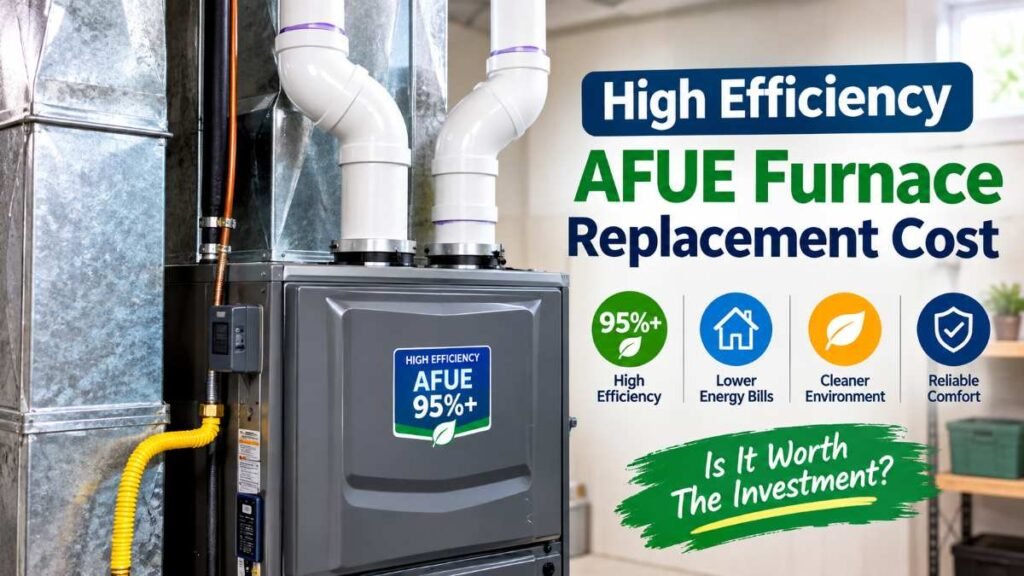
High-efficiency condensing furnaces (95%+ AFUE) utilize a secondary heat exchanger to extract extra thermal energy before venting acidic condensation through PVC pipes. Upgrading your home heating system alongside shell improvements like an energy efficient window installation helps maximize overall household thermal envelope performance.
Electric, Oil, and Propane Systems
Electric furnaces carry low initial equipment prices, but high operational electricity demands make them costly in severe winter regions. If your home relies on oil or propane heating, ensure your electrical subpanels are fully protected—similar to requirements for a whole house surge protector—to safeguard sensitive electronic control boards from line surges.
Hidden Line Items in Contractor Estimates
To prevent unexpected extra charges on your final invoice, ensure your contractor’s quote explicitly includes these necessary infrastructure steps:
- Old Unit Removal and Disposal ($250 – $600): Disconnecting and hauling away rusted steel heat exchangers and old blowers involves labor and local environmental disposal fees.
- Venting and Condensate Modifications ($400 – $1,200): Upgrading to a high-efficiency condensing unit requires running dedicated PVC intake/exhaust piping and condensate drain lines, with exact needs depending on existing utility configurations.
- Ductwork Adjustments and Sealing ($600 – $2,500): Adapting existing duct connections to fit new cabinet sizes often reveals air leaks or restricted return runs that require correction.
- Gas Line Upgrades or New Drops ($350 – $1,100): Increasing gas line diameters may be necessary to meet local code and supply correct fuel pressure.
- Thermostat Controls ($150 – $450): Upgrading older control wiring ensures proper communication with modern multi-stage equipment or modern best smart thermostats options.
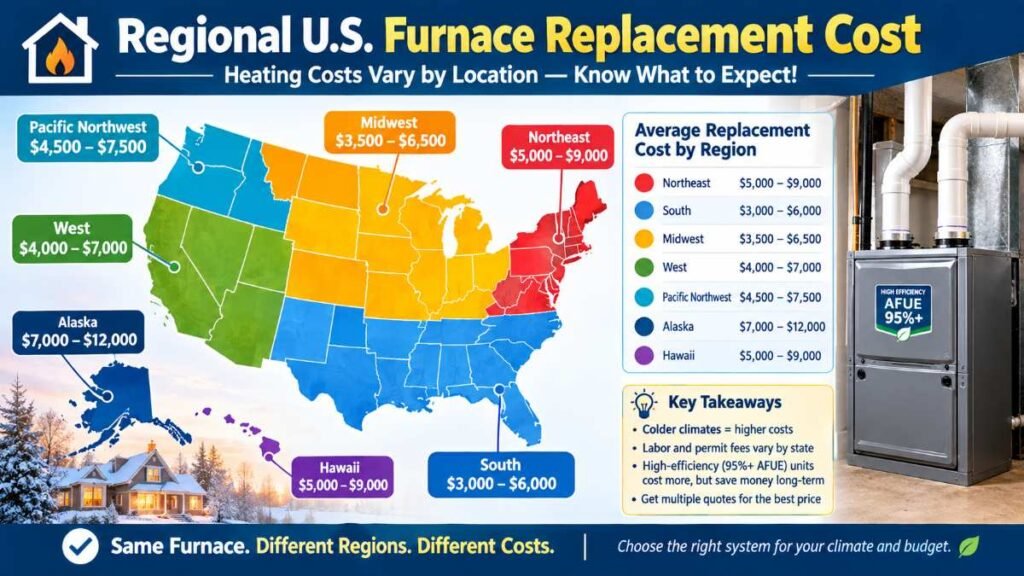
Regional Cost Variations Across the United States
An accurate furnace load calculation goes far beyond simple home square footage. To prevent short-cycling or insufficient heating, a certified technician evaluates several structural and environmental criteria:
- Climate Conditions: Local lowest winter temperatures determine peak thermal demand.
- Volume Metrics: Room floor area combined with vertical wall height determines total air volume.
- Building Envelope: Insulation efficiency across attics, exterior walls, and subfloors.
- Window Glazing: Total glass surface, solar heat gains, and frame installation quality.
- Air Integrity: Structural draftiness, air infiltration rates, and existing duct leakage.
Financial Incentives and Practical Savings Strategies
Available federal, state, utility, and manufacturer incentives change over time. Homeowners should verify current eligibility with the Internal Revenue Service (IRS) and local utility rebate programs before factoring financial credits into an installation budget.
Comparing detailed bids and checking available rebates can help homeowners identify potential project savings:
- Gather Itemized Estimates: Compare bids that break down labor, specific model numbers, and permit fees rather than relying on single lump-sum numbers.
- Inspect Key Information Before Service Calls: Record your current furnace brand, exact model number, and maintenance history before speaking with contractors.
- Evaluate Local Utility Rebates: Many gas and electric utilities offer direct rebates for upgrading to qualifying high-efficiency equipment.

Homeowner Inspection & Contractor Checklist
Before signing a replacement contract, use this essential checklist to review your installation proposal:
WHAT TO CONFIRM IN YOUR CONTRACT WHY IT MATTERS FOR YOUR BUDGET
- Precise Equipment Identifiers –> Prevents contractors from substituting cheaper alternative models
- Home Heat Loss Analysis –> Guarantees your new unit is engineered specifically for your house
- All-Inclusive Removal & Permits –> Protects you from surprise disposal fees and municipal fines
- Air Intake & Drainage Wiring –> Avoids hidden charges for mandatory exhaust line retrofits
- Post-Install Operational Test –> Confirms the burner and safety controls work before final paymen
Actionable Takeaway
Do not wait for a complete heating breakdown in the middle of a winter storm. Take a few minutes to check your current system’s model plate, request an itemized quote with a Manual J load calculation from licensed local HVAC contractors to manage your furnace replacement cost, and check your regional utility website for available efficiency rebates today.

Frequently Asked Questions
1. How much should a furnace cost to replace?
The average furnace replacement cost ranges from $4,000 to $12,000 depending on home size, efficiency rating, and installation complexity.
2. Is it worth replacing a 30-year-old system?
Yes. Upgrading an outdated unit eliminates frequent repair bills, improves home safety, and offsets your furnace replacement cost through monthly energy savings.
3. Is it difficult to handle a furnace replacement?
Yes, it requires certified HVAC technicians. Professional installation ensures proper sizing, gas line connections, and electrical wiring while keeping your furnace replacement cost predictable.
4. How much does it cost to replace a Carrier furnace?
A high-efficiency Carrier unit typically ranges between $5,000 and $11,000 installed, varying by model tier and local contractor labor rates for your furnace replacement cost.
About the Author
HVAC & Home Improvement Specialist
Dambar C.Rajbanshi is an experienced home improvement writer specializing in residential heating, indoor air quality, and energy efficiency. He simplifies complex HVAC technical standards into clear, transparent, and budget-friendly guides for homeowners. When he isn’t researching smart climate technologies, Dambar enjoys exploring modern architectural design trends and home automation.