
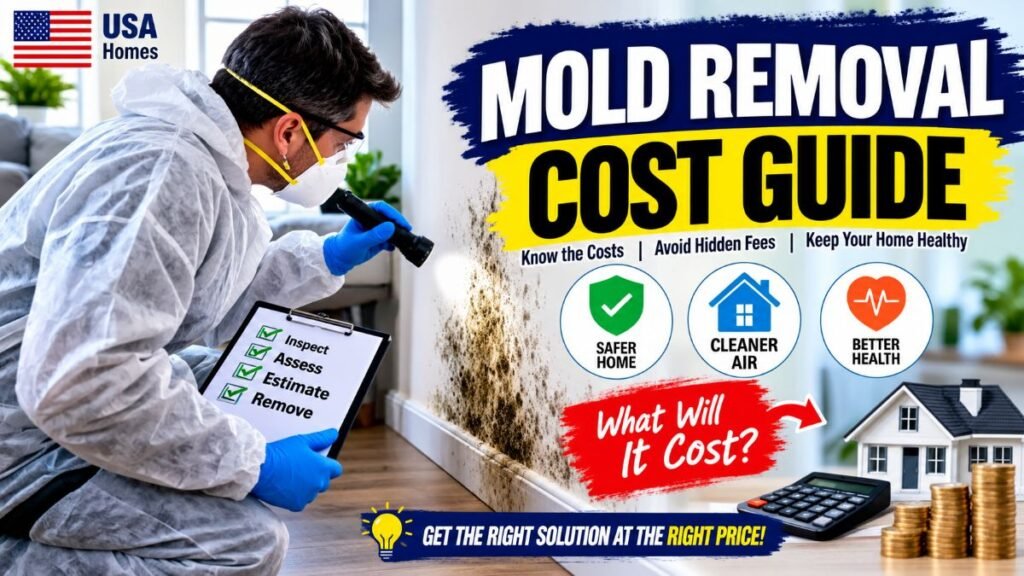
Discovering dark, fuzzy spots on your drywall or catching a persistent musty odor in your hallway triggers immediate worry. Is it dangerous? How far has it spread? Most importantly, what will fixing it actually run you? While many professional projects fall around $1,200 to $3,800, a minor surface cleanup can cost as little as $300, while severe structural restoration can exceed $10,000. The total Mold Removal Cost varies depending on the scale and accessibility of the contamination.
Here is a clear, practical breakdown of true pricing factors, hidden expenses, and actionable ways to restore your home safely without overpaying.
National Averages and Cost Per Square Foot
When budgeting for remediation, professionals typically measure scale and labor intensity by square footage alongside the severity of contamination.
Mold Removal Cost Per Square Foot
On average, professional remediation costs $10 to $25 per square foot, depending on accessibility, containment needs, and structural materials:
- Light Surface Remediation ($10 – $15 / sq. ft.): Accessible areas like accessible drywall or exposed wood framing.
- Moderate to Heavy Remediation ($15 – $25 / sq. ft.): Hard-to-reach spaces like crawl spaces, attics, or subflooring requiring physical containment and HEPA air filtration.
Extent of Contamination | Average Cost Range | Primary Work Involved |
Small / Surface Area (< 10 sq. ft.) | $300 – $800 | Spot treatment, minor drywall cleanup, moisture control |
Moderate / Single Room (10–100 sq. ft.) | $1,200 – $3,200 | HEPA vacuuming, containment, moisture abatement |
Large / Multi-Room & Structural (100+ sq. ft.) | $3,500 – $7,500 | Material removal, structural drying, containment |
Severe Whole-House Contamination | $7,500 – $15,000+ | Extensive material removal, HVAC treatment, and reconstruction |
Illustrative Homeowner Cost Examples
To understand how these numbers play out in typical situations, here are illustrative scenarios homeowners encounter:
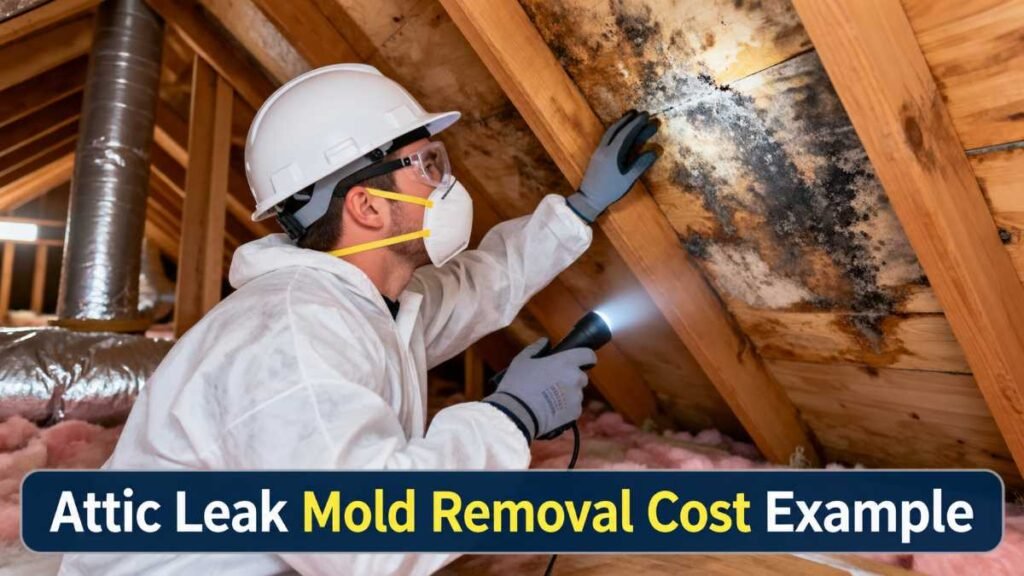
- Scenario A: Attic Leak Spotting ($1,850)
- Issue: A slow roof leak caused mold growth over a 60 sq. ft. area on roof rafters.
- Scope: Containment setup, HEPA vacuuming, material removal, and minor roof seal repair.
- Scope: Removing wet drywall, drying internal studs, applying vapor barriers, and treating concrete surfaces.
- Issue: Poor drainage caused groundwater seepage, affecting 200 sq. ft. of finished basement wall.
- Scope: Cutting out affected drywall, structural drying, moisture barriers, and long-term sealing.
- Scenario C: Minor Bathroom Vanity Growth ($450)
- Issue: A loose pipe fitting under a bathroom vanity created localized surface mold.
- Scope: Fixing the fitting, wiping down non-porous vanity surfaces, and surface cleaning as needed.
Cost Factors by Home Location
Where the outbreak occurs plays a major role in labor intensity, required safety gear, and accessibility.
- Attics ($1,500 – $4,500): Poor ventilation and roof leaks often breed growth on rafters. Tight quarters raise labor hours.
- Basements ($1,500 – $5,000): Sub-surface moisture and porous concrete surfaces require heavy-duty scrubbing, industrial dehumidifiers, and often a comprehensive basement waterproofing guide strategy to prevent recurring issues.
- Crawl Spaces ($500 – $3,000): Limited clearance forces technicians to work in protective gear, driving up total project labor.
- Bathrooms ($500 – $1,500): High humidity often impacts vanity areas and shower framing. Addressing hidden moisture around pipes is essential during any bathroom remodeling project.
- HVAC & Ductwork ($1,500 – $4,000): Spores lingering inside heating and cooling vents compromise household air safety, requiring certified technicians to seal, vacuum, and sanitize the entire duct network.
Professional Services vs. DIY Cleanup
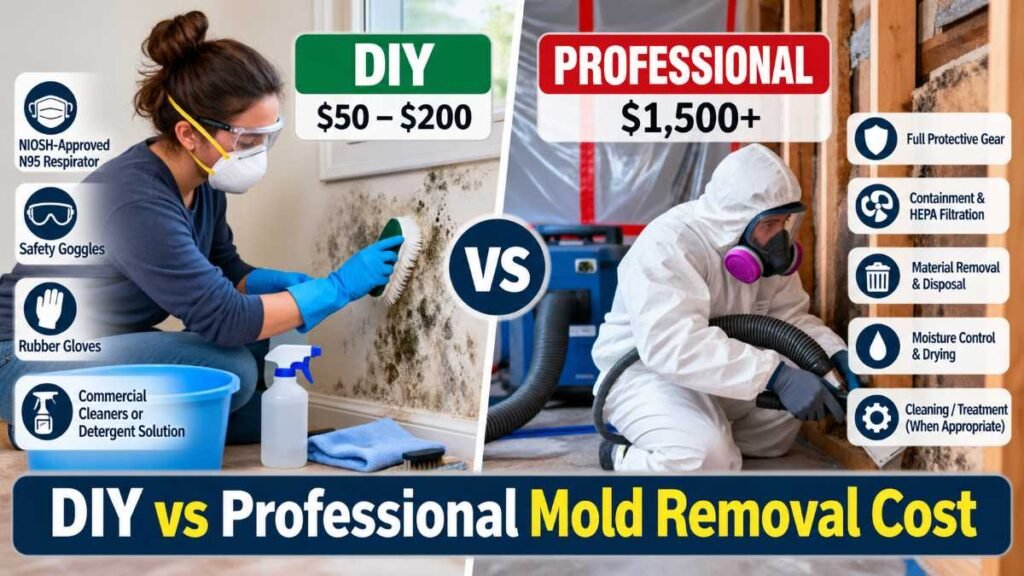
Not every outbreak demands a professional containment crew. Guidance from the U.S. Environmental Protection Agency (EPA) suggests that homeowners can generally manage cleanup themselves if the affected patch covers less than 10 square feet (roughly a 3×3 foot area). If the contamination covers more than 10 square feet or involves significant water damage, the EPA recommends consulting a professional remediation specialist.
DIY Cleanup ($50 – $200)
If the damage is localized and on non-porous surfaces:
- Put on a NIOSH-approved N95 respirator, safety goggles, and rubber gloves.
- Isolate the room to prevent loose spores from settling elsewhere.
- Apply commercial cleaners or a detergent solution (avoid relying solely on bleach for porous drywall or wood).
- Dry wet materials and affected areas as quickly as possible; EPA notes that materials dried within 24–48 hours after a leak or spill are less likely to develop mold.
When Professional Remediation Makes Sense ($1,500+)
Consider hiring certified specialists when:
- Mold covers an area greater than 10 square feet or is deeply embedded in porous framing or insulation.
- Growth stems from contaminated sewage or gray water backup.
- Spores settle inside hidden drywall cavities, structural voids, or main air distribution vents.
- Household members have heightened sensitivities, severe asthma, or respiratory vulnerabilities.
Reputable professional remediation contractors follow standard industry protocols, such as those established in the ANSI/IICRC S520 Standard for Professional Mold Remediation, supporting safe containment, material removal, and moisture control.
Step-by-Step Inspection Process
Understanding the steps helps ensure you only pay for necessary services:
[Visual Inspection & Moisture Source] ──> [Containment & HEPA Filtration] ──> [Removal & Moisture Abatement]
- Step 1: Visual Assessment & Moisture Mapping: Moisture meters and thermal imaging cameras can help identify areas of elevated moisture and guide further investigation.
- Step 2: Optional Air/Surface Testing: According to the EPA, pre-remediation mold testing is usually unnecessary if visible mold is already present. Sampling may be considered when hidden mold is suspected or when a professional determines that testing would help answer a specific question; surface sampling may sometimes be useful to evaluate whether an area has been adequately cleaned or remediated.
- Step 3: Containment & Air Isolation: Heavy-duty sheeting and negative air pressure systems fitted with HEPA filters prevent loose spores from spreading outside the work zone.
- Step 4: Physical Removal & Surface Treatment: Damaged porous materials are safely bagged and removed, while framing timbers are physically cleaned and dried thoroughly.
What Your Mold Removal Quote Should Include
To avoid unexpected charges mid-project, ensure your contractor’s written estimate itemizes these essential components:
- [ ] Detailed Scope of Work: Specific square footage and exact locations targeted.
- [ ] Containment Protocol: Inclusion of physical plastic barriers and negative air machines/HEPA filtration.
- [ ] Material Disposal: Hauling and disposal fees for contaminated drywall, insulation, or flooring.
- [ ] Moisture Control Plan: Plan for drying out structural framing before sealing or rebuilding.
- [ ] Cleaning / Surface Treatment: Surface cleaning or antimicrobial application specified by contractor, when appropriate.
- [ ] Clear Reconstruction Boundaries: Explicit statement on whether drywall patching and repainting are included or billed separately.
Where Homeowners Often Overspend
- Unnecessary Pre-Testing: Paying $250–$350 for air testing when mold is clearly visible on walls.
- Ignoring the Leak First: Spending thousands on remediation before fixing the underlying plumbing or roof leak, leading to immediate regrowth.
- Over-Relying on Bleach: Spraying surface bleach on porous drywall instead of replacing the board, causing internal moisture to linger.

Hidden Costs and Secondary Repairs
Remediation clears active growth, but fixing structural damage or stopping leaks requires separate budgeting.
- Plumbing and Leak Repairs ($300 – $1,500): Addressing leaking pipes behind walls is critical. Tackling these fixes alongside emergency plumbing repair stops moisture from feeding new growth.
- Drywall & Paint ($500 – $2,200): Gypsum drywall absorbs moisture deeply. Saturated panels must be cut out, replaced, and repainted.
- Flooring Replacement ($800 – $3,500): Saturated subfloors or ruined carpets require removal and replacement with moisture-resistant materials like luxury vinyl flooring.
- Humidity Control ($1,500 – $3,000): Long-term prevention in damp spaces often involves reviewing a whole house dehumidifier cost strategy to keep indoor air balanced.
Does Homeowners Insurance Cover Cleanup?
Insurance coverage depends on the root cause of the moisture. Standard home policies typically cover mold remediation only if it directly results from a covered peril, such as a sudden pipe burst or an appliance discharge.
Coverage is usually excluded if growth stems from deferred maintenance, continuous roof leaks, or surface flooding (which requires dedicated flood insurance), depending on the policy and cause of loss. Always document the damage with photos and consult your policy details before filing a claim.
Smart Preventive Measures
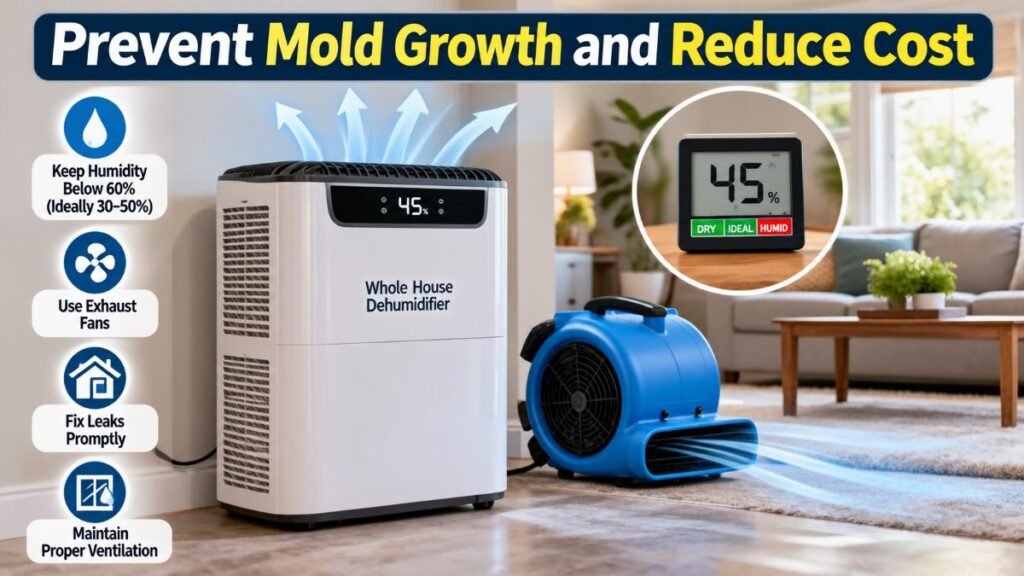
Stopping excess moisture before spores take root is the most effective way to minimize future Mold Removal Cost burdens.
- Maintain indoor relative humidity below 60%, ideally between 30% and 50%.
- Run exhaust fans during and after showers or cooking.
- Inspect window seals, roof valleys, and foundation drainage seasonally.
- Fix plumbing leaks, drips, or basement seepage promptly.
Pricing Note & Authoritative Sources
- Pricing Note: Costs presented in this guide serve as general planning estimates based on aggregated national home improvement cost surveys (such as Angi benchmarks showing most project costs falling between $1,223 and $3,757) and general contractor pricing. Regional labor rates, job accessibility, and material conditions will affect actual quotes.
- Sources & Further Reading:
Frequently Asked Questions
Q1: What is the average Mold Removal Cost for a home?
Most standard home projects fall between $1,200 and $3,800, depending on size, accessibility, and moisture severity.
Q2: Can I reduce my Mold Removal Cost with DIY cleanup?
Yes. If surface growth covers under 10 square feet, simple DIY cleaning usually keeps your overall Mold Removal Cost under $200.
Q3: Does homeowners insurance cover my Mold Removal Cost?
Insurance typically helps cover your Mold Removal Cost only if the outbreak stems directly from a sudden covered peril, like a burst pipe.
Q4: Why do quotes for Mold Removal Cost vary so widely?
Labor access, containment setup, structural framing repairs, and replacing damaged drywall all heavily influence your final project estimate.
Q5: How can I stop future mold growth permanently?
Keep indoor humidity below 50%, repair leaks immediately, and maintain proper air ventilation throughout damp rooms.
Take Action Today
Don’t wait for hidden moisture to compromise your framing or indoor comfort. Inspect high-risk damp areas today, monitor indoor humidity levels, and reach out to a qualified specialist at the first sign of persistent leaks to keep total project costs manageable!
Editorial Disclaimer
The information provided in this article is for educational and informational purposes only. Mold remediation requirements vary based on local building codes, structural design, and severity of contamination. Always consult certified environmental professionals or licensed remediation specialists for safety assessments and precise project quotes.
About the Author
Dambar C.Rajbanshi. is a home maintenance writer and residential project researcher specializing in practical home maintenance guides and cost transparency. He synthesizes industry standards, contractor pricing data, and official environmental guidelines to help homeowners navigate home repairs clearly and confidently.