
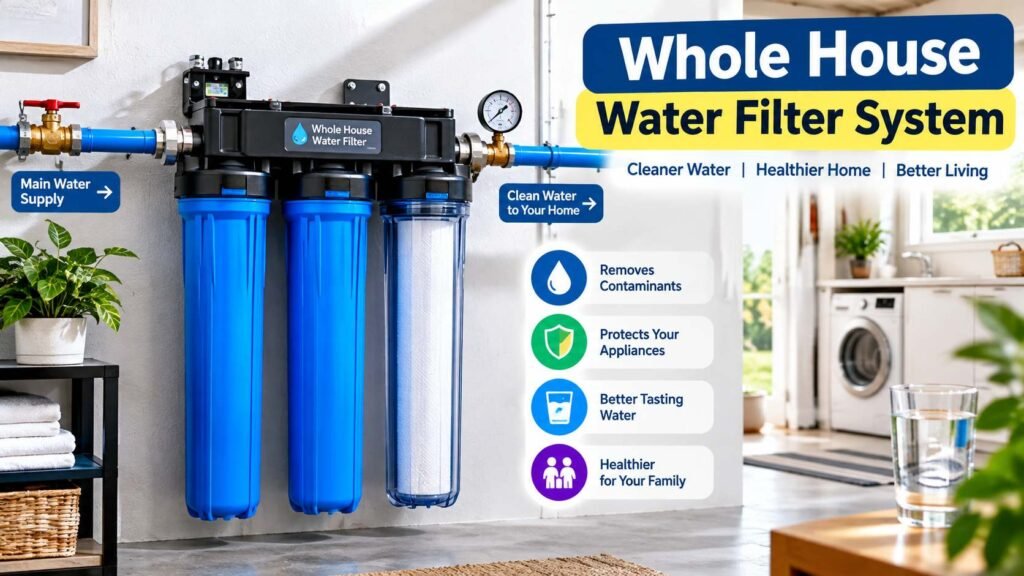
Water quality reports rarely tell the whole story, and relying on guesswork can quietly ruin your fixtures, lower your water pressure, or leave harsh chemicals in every tap. Installing the right whole house water filter system isn’t just about cleaner drinking water—it’s about protecting your home’s plumbing, appliances, and family health. Before you spend a single dollar on hardware, here is exactly how to test, size, and select a system tailored to your home’s unique needs.
Test First, Buy Second: The Essential Pre-Purchase Protocol
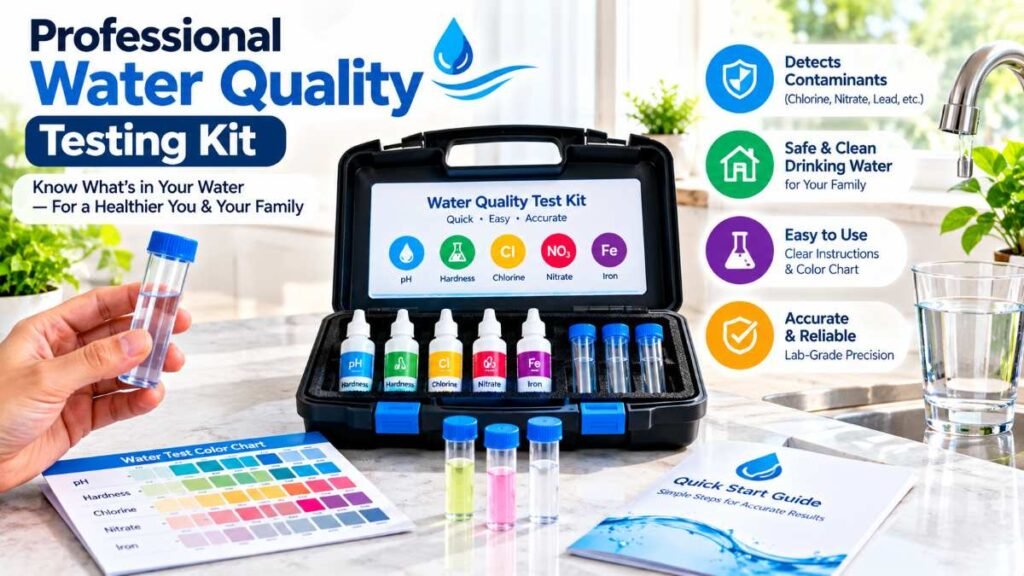
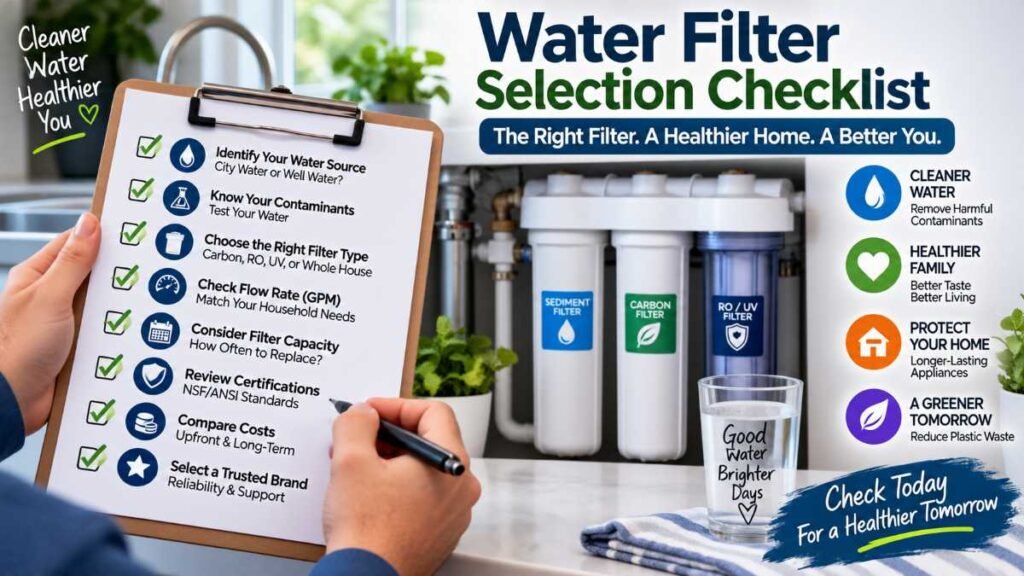
Investing in treatment hardware without analyzing your actual water chemistry leads to wasted money and underperforming equipment. A whole house water filter system must be tailored specifically to your supply type and local contaminant profile.
- Determine Your Source: Municipal grids typically treat water with chlorine or chloramines, while private wells require regular testing for biological organisms, heavy metals, and physical sediment.
- Review or Test Water Quality: City residents should examine their annual Consumer Confidence Report (CCR), as mandated by the EPA Drinking Water Regulations. Private well owners should send samples to a state-certified laboratory. Note that a single test does not identify every possible contaminant.
- Identify Targeted Impurities: Pinpoint exact issues such as chemical disinfectants, hydrogen sulfide, lead, iron, or excessive hardness.
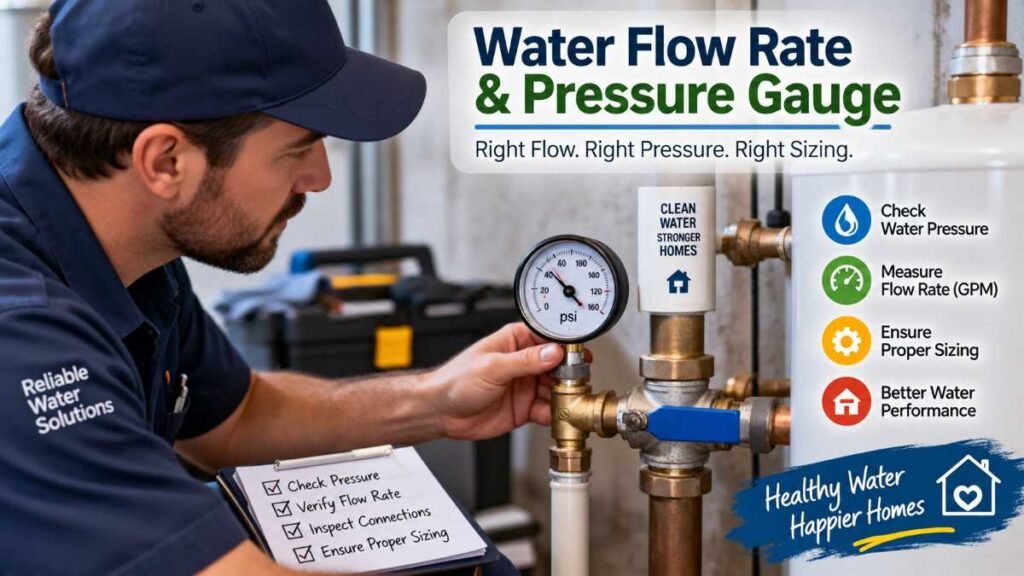
- Evaluate Peak Flow Demand: Measure maximum simultaneous household water usage in Gallons Per Minute (GPM) to prevent line pressure drops.
- Verify Certification Standards: Look for equipment independently verified under NSF/ANSI standards (such as Standard 42 for aesthetic effects, 53 for health effects, 58 for reverse osmosis, or 401 for emerging contaminants).
What This Means for Homeowners: If your main concern is mild chlorine odor from city water, a straightforward carbon filter may suffice. However, if laboratory testing reveals iron, hard minerals, or biological risks, an entirely different treatment strategy will be necessary.
How Point-of-Entry Water Filtration Works
Point-of-Entry (POE) systems attach directly to your main cold water line where water enters the structure, treating water before it splits to supply water heaters, laundry, showers, and taps.
Stage | Process Component | Primary Operational Role | Target Impurities |
Stage 1 | Sediment Pre-Filter | Traps large physical debris | Sand, silt, rust flakes, turbidity |
Stage 2 | Primary Media Tank / Cartridge | Chemical absorption & oxidation | Chlorine, chloramines, VOCs, bad odors |
Stage 3 | Specialty Media / Softening | Mineral modification or exchange | Calcium, magnesium, dissolved iron |
Stage 4 | Micro-Polishing / Disinfection | Final particle trapping or pathogen treatment | Fine sediment, specific microbes (if UV equipped) |
When paired with appropriate treatment equipment, POE systems protect sensitive home infrastructure. For example, stopping sediment accumulation protects high-efficiency units like a heat pump water heater and prevents valve damage during a custom kitchen sink installation.
Practical Illustrative Scenarios: Matching Problems to Solutions
No single filter media addresses every water parameter. Use this diagnostic guide to identify the appropriate treatment technology based on observable symptoms in your home:
Observable Home Symptom | Underlying Water Parameter | Recommended Treatment Strategy |
Harsh bleach smell, chemical taste | High chlorine or chloramine municipal disinfectant | Catalytic or activated carbon block system |
Reddish-brown/orange stains on sinks & laundry | Dissolved or particulate iron / manganese | Iron & manganese reduction filter (oxidation media) |
White crusty buildup on fixtures, mineral scale in kettles | High calcium & magnesium (water hardness) | Traditional salt-based softener or scale conditioner |
Rotten egg / sulfur gas smell from tap | Hydrogen sulfide gas | Air injection oxidation tank or specialized carbon |
Cloudy water, visible dirt, sand in toilet tanks | Suspended physical solids & sediment | Step-down sediment filter cartridge (20 to 5 micron) |
Microbiological concern (well water) | Coliform bacteria, E. coli, parasites, cysts | Certified UV disinfection system (after fine pre-filtration) |
- Illustrative Scenario A (Municipal Supply): Consider an urban home where residents experience strong chlorine smells and dry skin after showers. A dual-stage central filter setup using a 20-micron sediment pre-filter paired with a catalytic carbon tank can eliminate disinfectant odors across all taps without reducing shower pressure.
- Illustrative Scenario B (Private Well Supply): Consider a rural home dealing with orange bath fixtures and dark sediment in toilet tanks. For example, if laboratory testing shows approximately 3.0 mg/L of dissolved iron, installing an air-injection oxidation tank alongside a sediment pre-filter clears the discoloration and stops staining on fixtures and laundry.
Types of Whole House Water Filtration Systems
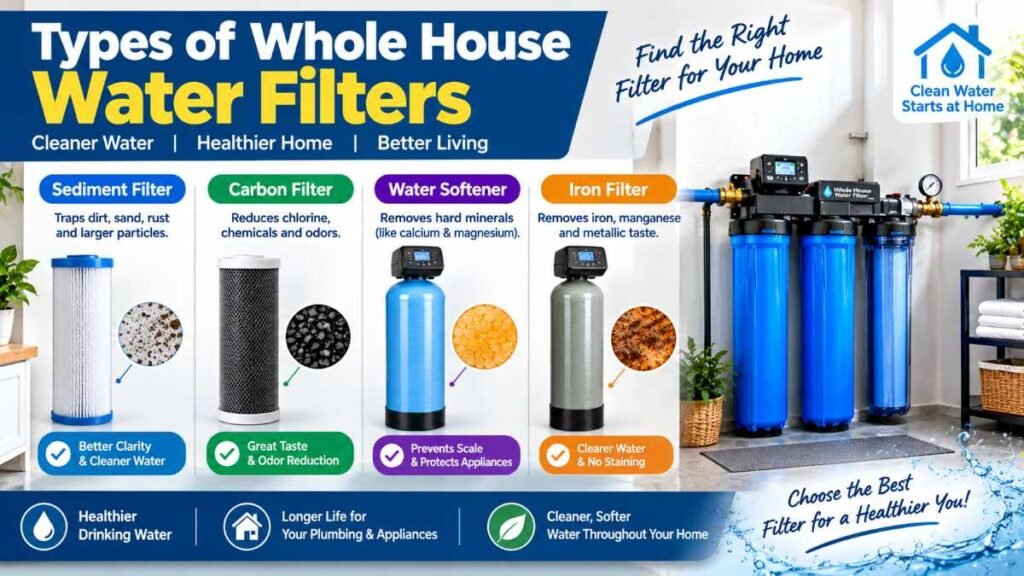
- Activated Carbon Tank & Cartridge Systems: Activated carbon utilizes high-surface-area media to adsorb dissolved organic compounds, agricultural runoff, pesticides, and chlorine. Catalytic carbon provides improved reduction of chloramine compared to conventional media.
- Multi-Stage Cartridge Filter Arrays: These modular systems use sequence-specific filter housings. A typical three-stage configuration includes:
- Stage A: A 20-micron sediment cartridge to capture rust and sand.
- Stage B: A 5-micron cartridge using carbon, KDF, or another certified media selected for the contaminants identified in the water test.
- Stage C: A 1-micron polish cartridge to capture ultra-fine particulates.
- Water Softeners vs. Filtration Systems: Water softeners use ion-exchange resin to replace calcium and magnesium with sodium ions, reducing scale buildup. A whole house water filter system targets chemical, organic, and physical contaminants rather than dissolved hardness. Homes with hard, chlorinated water often run both systems side by side.
Critical Realities: What a Standard Whole House Filter Does NOT Remove
A common misconception is that a single central filter removes all impurities. Standard POE filtration media cannot reliably eliminate every substance:
- Dissolved Solids (TDS): Total Dissolved Solids such as sodium, nitrates, and dissolved salts pass directly through standard carbon and sediment media. Point-of-use reverse osmosis systems are typically required for TDS reduction.
- Fluoride: Standard activated-carbon systems are generally not designed for reliable fluoride reduction; treatment should be selected based on verified product performance, such as activated alumina or reverse osmosis where appropriate.
- PFAS / Forever Chemicals: Specific activated carbon or ion-exchange media can reduce certain PFAS compounds only if the specific system model carries verified product certifications under NSF/ANSI Standard 53 or 58.
- Living Bacteria & Viruses: Standard physical filters do not reliably disinfect water. For microbiologically unsafe water, treatment should be selected based on independent laboratory test results and the system manufacturer’s validated flow and dose specifications (typically matching NSF/ANSI 55 Class A requirements).
What This Means for Homeowners: Never rely on a standard sediment or carbon block filter to make microbiologically unsafe well water drinkable. Physical filter cartridges trap dirt and chemical odors, but killing active bacteria requires validated UV or chemical disinfection equipment.
Step-by-Step Sizing Guide: Flow Rate vs. Micron Performance
Installing an improperly sized whole house water filter system restricts household water pressure or allows water to pass through media too quickly for effective adsorption.
Household Flow Rate Demand (GPM)
Household Profile | Average Bathroom Count | Typical Simultaneous Fixtures | Recommended System Flow Rate |
Compact / Condo | 1–1.5 Bathrooms | 2 Fixtures (e.g., Shower + Faucet) | 7–10 GPM |
Medium Family | 2–3 Bathrooms | 3 Fixtures (e.g., 2 Showers + Washer) | 10–14 GPM |
Large Residence | 3.5+ Bathrooms | 4+ Fixtures (Multiple Showers + Appliances) | 15–20+ GPM |
Calculation Example: Running a standard shower (~2.5 GPM), a washing machine (~2.0 GPM), and a kitchen sink (~1.5 GPM) simultaneously requires a system certified for at least 6.0 GPM continuous flow.
Practical Homeowner Insight: One common mistake homeowners make is choosing a filter based only on its advertised maximum flow rating. A system that performs well when new can restrict pressure significantly once its cartridge becomes partially clogged with sediment.
Micron Rating & Certified Pathogen Protection
Micron ratings define the pore size openings in a filter medium that trap physical particles. A human hair is approximately 70 microns in diameter.
- 20–50 Microns: Standard coarse sediment filter for large debris.
- 5 Microns: A commonly used fine pre-filtration level, although the appropriate rating depends on the source-water sediment load and the downstream equipment manufacturer’s requirements.
- 0.5–1 Micron: Fine mechanical filtration rating capable of trapping microscopic physical particles.
Technical Note: A low micron rating alone does not guarantee safety from pathogens. According to CDC Home Water Treatment Guidance, to ensure protection against parasitic cysts like Giardia or Cryptosporidium, verify that the product carries explicit certification under NSF/ANSI Standard 53 or Standard 58 for cyst reduction.
Professional Installation & Safety Guidelines
Installing a POE system alters main household supply lines. Consulting a licensed plumber ensures compliance with regional codes, pressure safety, and backflow prevention.
┌─── [ Bypass Valve (Normally Closed) ] ───┐
│ │
[ Main Inlet ] ───┴─── [ Shut-Off 1 ] ─► [ Filter Unit ] ─► [ Shut-Off 2 ] ───┴─── [ Home Outlet ]
Key Installation Steps
- Bypass Valve Assembly: Install a three-valve bypass loop to allow water to flow directly to the home during system maintenance without interrupting water service.
- Cold Water Line Placement: Mount filter assemblies on cold water lines upstream of water heaters, as hot water can degrade carbon media and damage plastic housings.
- Electrical Ground Bonding: Metallic water supply pipes frequently serve as the electrical ground path for a home’s main panel. Cutting metal pipe to install plastic filter housings breaks this path. Ensure proper electrical bonding jumpers are installed across the filter assembly.
- Basement & Utility Room Protection: POE systems may collect moisture when cold water runs through warm, humid areas. Ensure proper floor drainage, especially when coordinating related home projects such as a basement waterproofing guide. Unaddressed leaks can quickly require an emergency plumbing repair.
Practical Homeowner Insight: Before buying a large media tank or heavy filter housing array, check the clearance around your main water supply line. You need adequate space not only for physical mounting, but also for swinging a filter wrench during cartridge replacements, turning bypass valves, and performing future servicing.
Estimated U.S. Cost Ranges & Planning Estimates
Overall system expenses vary based on labor rates, system capacity, target contaminants, and media longevity. The following figures are practical planning ranges for U.S. residential projects; actual costs vary substantially by region, system type, plumbing modifications, and installation complexity:
Expense Category | Entry-Level Cartridge System | Premium Multi-Stage / Media Tank |
Equipment Purchase | $300 – $600 | $1,200 – $2,800 |
Professional Installation Labor | $250 – $500 | $600 – $1,300 |
Annual Replacement Media | $80 – $180 | $150 – $350 |
Estimated 10-Year Ownership Total | $1,350 – $2,900 | $3,300 – $7,600 |
Maintenance Schedules for Peak Performance
Neglecting a whole house water filter system causes pressure drops, microbial growth inside housings, and channel formation that bypasses active media.
Maintenance Task | Recommended Frequency | Action Item |
Sediment Pre-Filter | Every 3 to 6 Months | Replace cartridge or flush reusable mesh screens |
Main Carbon Block Elements | Every 6 to 12 Months | Replace filter cartridges per manufacturer guidance |
Heavy-Duty Media Tanks | Every 3 to 5 Years | Rebed activated catalytic carbon or oxidation media |
O-Ring Inspection & Care | Every Filter Change | Clean housing threads, inspect rubber gasket, apply food-grade silicone grease |
System Sanitization Cycle | Annually | Sanitize filter housings using approved sanitizing solutions |
UV Lamp & Sleeve Service | Every 12 Months | Replace UV emitter lamp; clean quartz glass sleeve |
Differential Pressure Monitoring: Install pressure gauges before (inlet) and after (outlet) the filter array. A noticeable pressure drop across the gauges indicates that filter cartridges are clogged and require inspection or replacement.
What This Means for Homeowners: Keeping a simple maintenance log on your phone or near the filter housing prevents unexpected pressure drops in the shower and keeps your water flowing cleanly year-round.
Final Decision Framework
Selecting the right whole house water treatment setup comes down to four practical steps:
- Test First: Check your municipal Consumer Confidence Report or obtain a certified laboratory test to identify your exact contaminant profile.
- Select Technology: Match your specific target parameters (chlorine, iron, sediment, scale) to the appropriate treatment media.
- Verify Sizing & Certification: Choose a unit rated for your household’s peak GPM demand that carries verified NSF/ANSI certifications for your target contaminants.
- Plan Installation & Maintenance: Ensure proper electrical bonding jumper placement during installation and establish a strict replacement schedule for filter media.
Frequently Asked Questions
Q1. Which is the best whole house water filter system?
It depends on your water test. Catalytic carbon systems work best for chlorinated city water, while air-injection oxidation filters handle well water with iron or rust.
Q2. Is a whole house water filter system worth buying?
Yes. A whole house water filter system shields pipes and water heaters from chemical damage, cuts repair bills, and supplies clean water to every tap.
Q3. Does a whole house water filter system drop water pressure?
Not if correctly sized for your peak GPM demand. Just clean clogged cartridges on time to maintain steady household flow.
Q4. Can a whole house water filter system sanitize well water?
Standard carbon filters remove odors and dirt, but killing bacteria or viruses on well water requires adding a certified UV disinfection unit.
Quick Summary & Key Takeaways
Installing a whole house water filter system treats water before it reaches most taps, showers, and water-using appliances in your home. To ensure optimal performance without restricting household water pressure, you must match your specific water chemistry to the appropriate treatment media and calculate peak flow demand in Gallons Per Minute (GPM).
Editorial Note & Transparency
- Written By: Dambar C. Rajbanshi (Home improvement analyst specializing in budget-smart residential planning and kitchen design)
- Editorial Review: Reviewed for technical clarity, water safety considerations, and structural accuracy
- Last Updated: September 2026
- Editorial Methodology: Guidance in this article is structured around public health resources established by the U.S. Environmental Protection Agency (EPA Ground Water and Drinking Water), pathogen treatment frameworks from the Centers for Disease Control and Prevention (CDC Water Filters Guide), and independent equipment safety standards from NSF International Standards.
- Disclaimer: Water chemistry varies significantly by geographic region. Always conduct independent laboratory testing prior to purchasing treatment equipment.
Author By: Dambar C. Rajbanshi About: A renovation strategist and home improvement enthusiast. Dambar specializes in budget-smart planning and functional kitchen design. He is dedicated to helping homeowners create spaces that perfectly balance beauty and practicality