
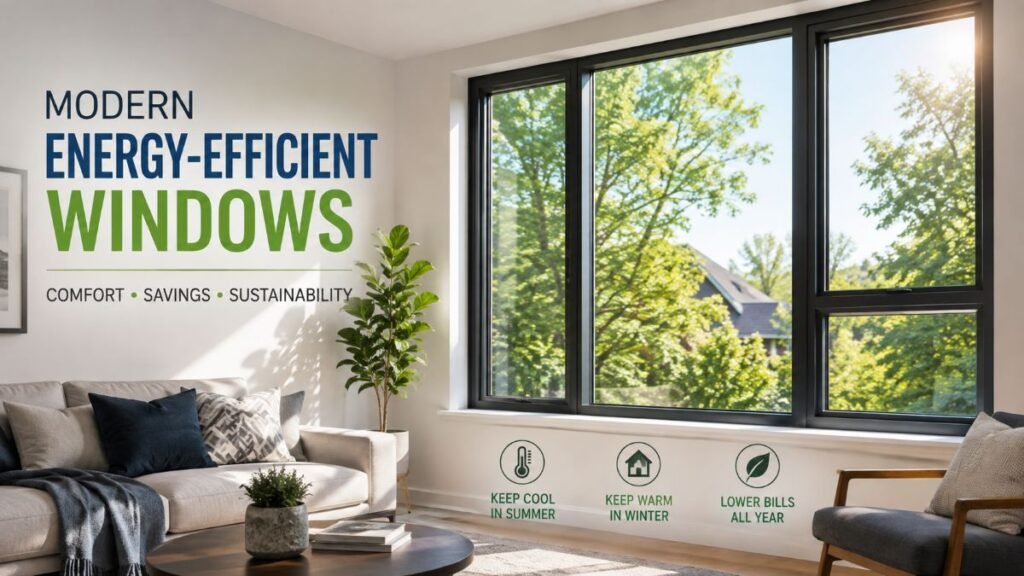
Drafty rooms, spiked utility bills, and air conditioners working overtime are clear signals that your home is losing thermal energy through outdated glass. Standard single-pane or aged double-pane units account for up to 30% of residential heating and cooling energy loss. When home envelopes leak conditioned air, HVAC units strain continuously, leading to elevated energy bills and uneven indoor temperatures.
Upgrading to modern energy efficient windows resolves these thermal leaks, stabilizes indoor climates, and significantly cuts month-to-month electricity costs.
Insulated Glass Architecture: Triple-Layer Thermal Defense
Old-school glass acts as a direct conductor, allowing summer heat to radiate inward and winter warmth to escape outside. Advanced glass technology interrupts this thermal transfer through three engineered protective barriers.
Glass Assembly Layer | Component Type | Engineering & Insulation Mechanism |
Outdoor Pane Surface | Low-Emissivity (Low-E) Film | Microscopically thin metallic oxide layer that reflects solar heat radiation while allowing visible sunlight to pass through. |
Gas Fill Cavity | Dense Argon or Krypton Infill | Dense inert gas trapped between glass panes that slows convective heat flow significantly better than atmospheric air. |
Perimeter Boundary | Warm-Edge Thermal Spacer | Non-metallic structural spacer that insulates pane borders, eliminating cold-edge bridging along the sash boundary. |
If you are planning home updates across multiple structural zones, reviewing proper execution strategies like those in our kitchen remodeling mistakes guide will help you avoid costly renovation errors.
Decoding NFRC Performance Metrics
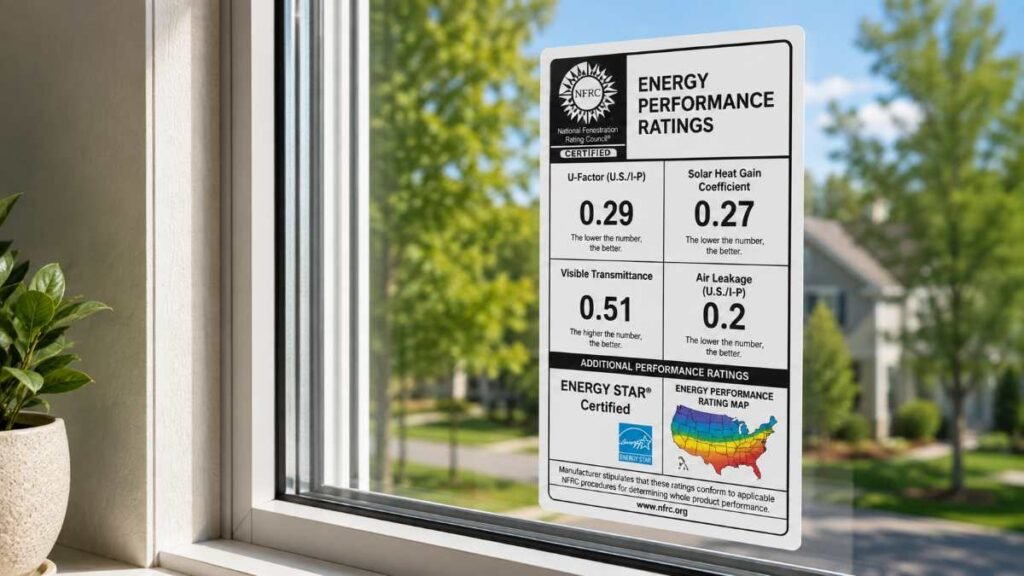
Understanding window performance labels prevents you from paying premium prices for low-performing glass. Look for ratings verified by the National Fenestration Rating Council (NFRC) to ensure authentic thermal efficiency. Selecting high-spec energy efficient windows starts with evaluating these crucial metrics:
Performance Metric | Ideal Rating Window | Practical Insulation Function |
U-Factor | 0.20 to 0.30 | Measures rate of non-solar heat flow. Lower values insulate better in cold northern climates. |
Solar Heat Gain Coefficient (SHGC) | 0.20 to 0.40 | Measures solar heat admission. Lower values block unwanted summer solar heat in warm regions. |
Visible Transmittance (VT) | 0.40 to 0.70 | Measures visible daylight entering rooms. Higher numbers yield brighter natural indoor light. |
Air Leakage (AL) | 0.30 cfm/sq ft | Measures draft infiltration through frame joints. Lower values mean tighter structural seals. |
Selecting the right ratings depends directly on your local climate zone. Cold northern regions require a low U-Factor to retain interior heat, whereas warm southern climates demand a low SHGC to block intense solar radiation.
Structural Frame Material Matrix
The overall insulating capacity of energy efficient windows depends heavily on frame composition. A high-tech glass unit installed inside a poor-insulating frame will still transfer unwanted heat into your home.
Frame Material | Thermal Resistance | Upkeep Requirements | Expected Service Life | Structural Behavior |
Vinyl (PVC) | High | Minimal | 20–30 Years | Highly moisture-resistant; expands slightly in intense heat |
Fiberglass | Superior | Lowest | 30–50 Years | Exceptional rigidity; minimal expansion across temperature swings |
Composite | High | Low | 30–40 Years | Excellent moisture immunity and reliable structural stability |
Clad Wood | High | Moderate | 20–35 Years | High aesthetic appeal; outer aluminum shell shields wood core |
Aluminum | Low | Low | 25–40 Years | Exceptionally strong profile; requires a thermal break to prevent heat loss |
Pane Configuration Trade-Offs: Double vs. Triple Glass
Choosing between double-pane and triple-pane glass is one of the biggest financial decisions in replacement projects.
Double-Pane Units
- Pros: Highly cost-effective, lighter overall frame load, ideal for moderate climates, lower initial installation expense.
- Cons: Higher U-Factor than triple-pane, less effective at dampening heavy outdoor traffic noise.
Triple-Pane Units
- Pros: Outstanding insulating power, creates noticeable outdoor sound reduction, minimizes condensation risk in sub-zero weather.
- Cons: 15% to 30% higher purchase cost, heavier frame load requiring reinforced studs, longer payback period in mild climates.
For structural installations in high-moisture rooms like utility areas or bathrooms, pairing proper framing with durable materials detailed in our luxury vinyl flooring guide ensures long-lasting room protection.
Precise Installation & Weatherization Protocol
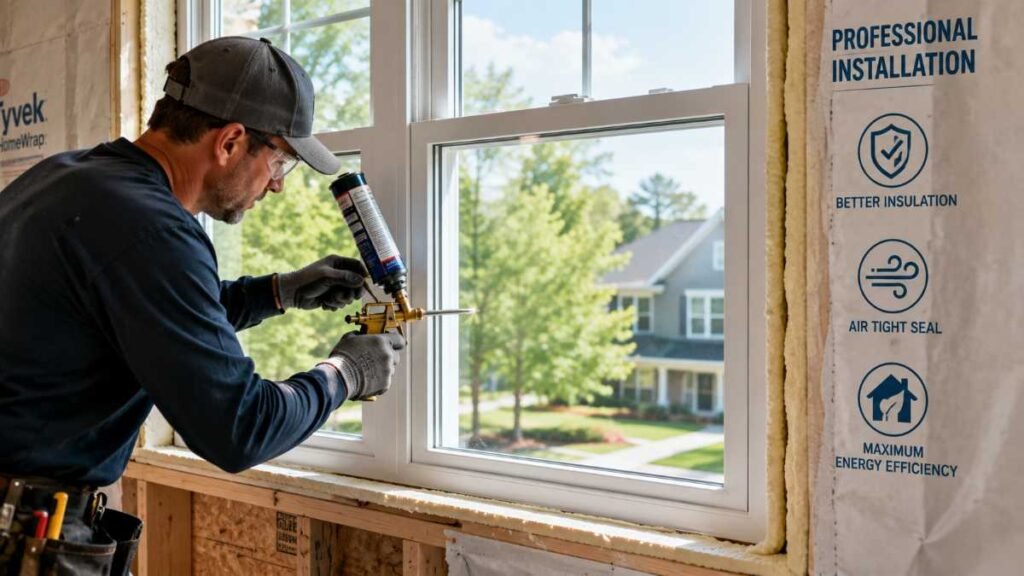
Even the highest-rated energy efficient windows will underperform if installed with improper seals. A 1/16th-inch gap around the outer perimeter negates high-grade Low-E glass benefits.
- Measure and Square the Opening: Check that rough openings are square, level, and free of rot. Replace compromised framing studs before setting the new frame.
- Apply Weather-Resistant Barrier (WRB) Flashing: Wrap rough openings with self-adhering flashing tape in a shingle-lap pattern to divert water away from structural framing.
- Insert Precision Shim Packs: Position non-compressible shims under the sill and behind hinge points to ensure plumb, binding-free sash operation.
- Inject Low-Expansion Foam: Seal perimeter gaps using low-expansion polyurethane foam specifically formulated for window openings. Standard high-expansion spray foam bows window frames and jams sash movement.
- Seal Exterior Trim Joints: Apply high-grade elastomeric sealant along exterior trim boundaries to block rain infiltration.
If your home updates extend into major structural areas, combining envelope improvements with clean installation practices outlined in our bathroom remodeling guide maintains structural integrity throughout your house.
Investment Economics: Long-Term Energy Returns & Capital Recovery
Evaluating energy efficient windows purely on purchase price overlooks the substantial long-term utility savings and home value recovery they generate.
Financial Model Scenario (Standard 1,800 Sq. Ft. Home, 12 Windows):
- Total Project Investment: $7,200 – $9,600 (Mid-tier vinyl frame, Low-E double-pane, fully installed).
- Estimated Annual Utility Savings: $280 – $420 per year (depending on regional heating/cooling demands).
- Federal & Utility Tax Incentives: $1,200 – $2,000 upfront credit under eligible energy programs.
- Net Investment Cost: $6,000 – $7,600.
- Estimated Simple Payback Window: 12 to 16 years through direct utility bill reductions.
- Equity Value Preservation: According to home renovation cost-vs-value data, premium replacement windows recover between 68% and 73% of their installation cost in immediate equity value upon home resale.
Long-Term Maintenance & Protection Strategy
Proper maintenance keeps window seals intact and preserves thermal performance over decades:
- Inspect Weatherstripping Yearly: Flexible vinyl and felt seals around operating sashes compress over time. Replace worn weatherstripping to stop air draft leaks.
- Clean Low-E Glass Safely: Clean glass using mild soap and microfiber cloths. Avoid harsh abrasive pads or razor blades that scratch delicate metallic Low-E coatings.
- Maintain Drainage Weep Holes: Keep bottom frame track weep holes clear of dirt and debris so trapped rainwater drains freely away from the glass seal.
- Check Exterior Caulking: Inspect exterior sealant joints annually for cracks or shrinkage, reapplying fresh sealant where needed to protect wall cavities.
When updating interior trim during window upgrades, proper surface preparation is essential. Follow step-by-step surface prep techniques from our guide on how to paint kitchen cabinets for smooth, lasting trim finishes.
For verified technical performance standards, safety testing, and federal energy rating rules, reference criteria set by the U.S. Department of Energy ENERGY STAR Program and thermal performance testing guidelines from the National Fenestration Rating Council.
Field Retrofit Study: Energy & Comfort Transformation
A two-story suburban home built in 1988 featured original single-pane aluminum windows. The homeowner experienced cold drafts near exterior walls during winter and excessive solar heat gain in summer, driving electricity bills up during peak months.
The Retrofit Strategy:
- Glass Upgrade: Replaced 14 single-pane aluminum units with double-pane vinyl replacement units featuring Low-E glass (Argon gas filled, U-Factor 0.26, SHGC 0.28).
- Sealing Protocol: Removed rotted exterior casing, installed membrane flashing, and sealed rough opening perimeters with low-expansion foam.
- Targeted Solar Blocking: Specified a lower SHGC (0.22) on south- and west-facing windows to block harsh afternoon sun.
Measured Results:
- Utility Cost Reduction: Heating and cooling costs decreased by approximately 22% over the first full calendar year.
- Interior Climate Stability: Interior surface glass temperatures remained comfortable during peak summer and winter months, eliminating localized cold zones.
- Acoustic Buffer: Ambient street and neighborhood noise levels decreased noticeably indoors.
Upgrading to verified energy efficient windows delivers reliable thermal protection, lowers monthly energy costs, and keeps indoor spaces comfortable year-round.
Action Plan for Window Upgrades
To maximize your investment and ensure long-term thermal efficiency, follow this structured plan:
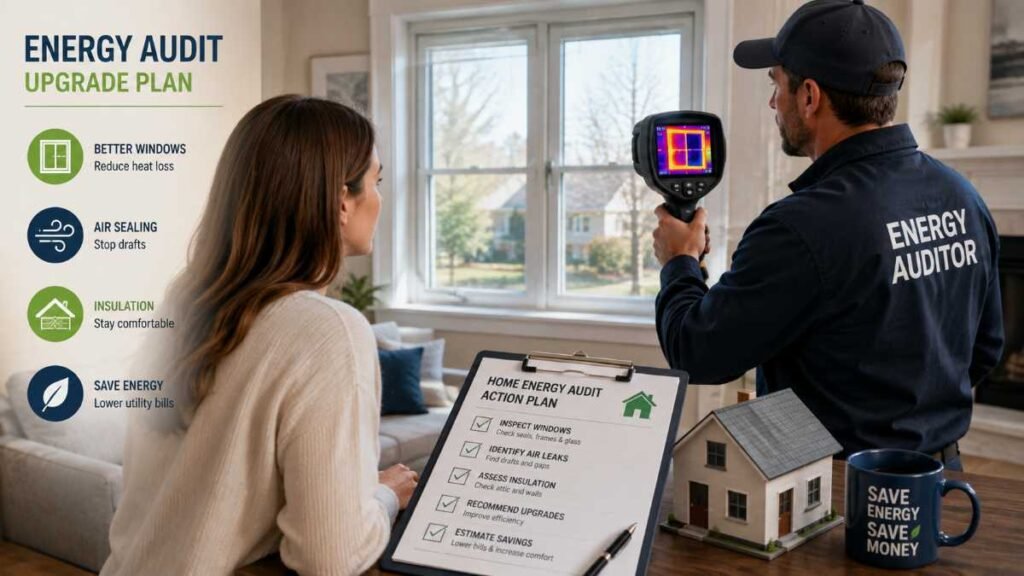
- Conduct an Energy Audit: Identify drafty windows using a thermal camera or professional blower door test before ordering replacements.
- Select Climate-Specific Ratings: Prioritize low U-Factors in cold northern climates and low SHGC values in sun-drenched southern regions.
- Prioritize Certified Installers: Choose installation crews certified by the American Architectural Manufacturers Association (AAMA) to guarantee proper flashing and insulation.
Focusing on certified glass performance metrics, durable frame materials, and airtight installation practices ensures your energy efficient windows investment provides lasting comfort and financial returns for decades to come.
Conclusion
Upgrading to certified energy efficient windows stops thermal leaks, lowers monthly power bills, and boosts your home’s long-term resale value. By choosing climate-rated glass and insisting on airtight, precision installation, you guarantee maximum comfort and massive lifelong ROI.
Frequently Asked Questions
What type of window is most energy-efficient? Triple-pane fiberglass units featuring low-E coatings and argon gas fills deliver the highest thermal insulation and lowest heat loss.
Do energy-efficient windows work? Yes. High-performance energy efficient windows eliminate indoor drafts, block solar heat gain, and noticeably reduce household monthly HVAC workloads.
What is the cost of energy-efficient windows? Standard double-pane units typically range from $600 to $1,200 per opening, including installation, depending on frame material and regional climate specifications.
What is energy-efficient glazing? It refers to double or triple-pane glass treated with microscopic metal-oxide coatings and filled with insulating inert gas to block radiant thermal transfer.
Upgrading your home with certified energy efficient windows seals thermal leaks, keeps room temperatures stable, and protects your long-term energy savings
Author By: Dambar C. Rajbanshi About: A renovation strategist and home improvement enthusiast. Dambar specializes in budget-smart planning and functional kitchen design. He is dedicated to helping homeowners create spaces that perfectly balance beauty and practicality