

Sick of scuffed vinyl and grout lines trapped in the past? Selecting brand-new kitchen flooring across British homes means balancing daily foot traffic, subfloor moisture, and long-term durability. Skip crucial prep stages, and you face severe damp damage down the line. Explore our comprehensive UK trade breakdown comparing waterproof LVT, stone tiles, and engineered wood to make a rock-solid investment today!
Quick Summary Match: Busy households juggling kids or pets find that Luxury Vinyl Tiles (LVT) deliver reliable, waterproof resilience. Homeowners leaning toward timeless elegance and high-traffic durability will prefer sleek Porcelain Tiles, whereas open-plan British spaces featuring underfloor heating thrive best using structurally stable Engineered Wood.
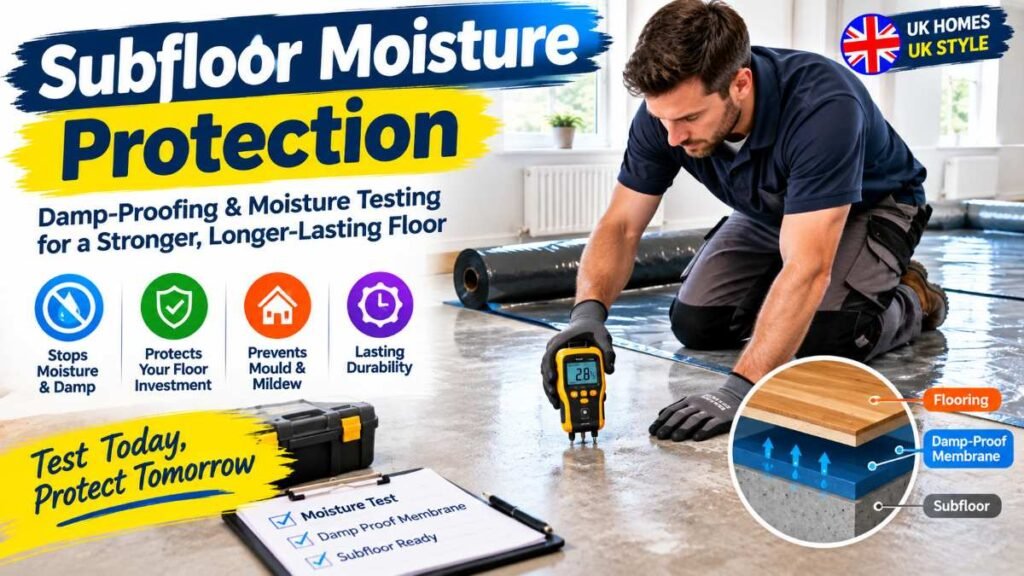
Why Moisture Protection Matters in Kitchen Flooring
Securing your home begins right at floor level, turning your kitchen surface choice into a fundamental pillar of lasting property care. Skimpy material choices or rushed damp-proofing in splash-heavy culinary zones create a silent recipe for hidden subfloor rot, stubborn mold colonies, and structural repair bills.
Before locking down your materials, keep these key structural guidelines in mind:
- Cross-Reference Official Specs: Always review official British specifications—such as Approved Document C under UK Building Regulations—to secure proper ground damp-proofing, keeping in mind that Scotland, Wales, and Northern Ireland maintain separate regulatory struct
- Understand Regulatory Scope: While standard like-for-like flooring swaps typically bypass local building control sign-offs, legal compliance always depends on overall project scale and regional protocols.
- Avoid Renovation Pitfalls: Getting these foundational steps right prevents costly remodeling nightmares, mirroring the crucial lessons covered in our guide on 15 Costly Kitchen Remodeling Mistakes Most Homeowners Regret.
- Prepare for Future Layout Upgrades: Establishing a rock-solid subfloor creates the ideal canvas for subsequent home improvements, whether you are planning Small Kitchen Island Ideas: Big Functionality in Compact Spaces or tackling a broader layout overhaul.
Real-Life Decision Table & UK Cost Breakdown
Comparing product price tags versus fitting charges helps establish reliable spending targets for British kitchen makeovers. The matrix below displays standard market ranges by surface style, though actual totals shift based on regional labor availability, room layout, and subfloor preparation.
Flooring Option | Unit Purchase Rate (per sq metre) | Fitters & Labor Tariff (per sq metre) | Daily Care & Upkeep Level |
Luxury Vinyl Planks (LVT) | £20 to £40 | £15 to £25 | Basic; routine vacuuming and gentle damp mopping |
Porcelain Tiles | £25 to £60 | £30 to £50 | Minimal; occasional grout line washing |
Engineered Timber Boards | £35 to £80 | £25 to £45 | Moderate; strict compliance with maker care rules |
Natural Stone Flagstones | £40 to £100+ | £40 to £70 | Heavy; specialist impregnating sealers required |
Pricing & Cost Disclaimer: Think of these figures as broad industry benchmarks rather than rigid regional tariffs. Total job expenses depend heavily on local technician fees, subfloor leveling needs, wastage allowances, and standard VAT. Always secure a detailed, written breakdown from accredited local professionals to verify exactly whichprep materials, fitting tasks, and rubbish clearance provisions are covered.
Premium Luxury Vinyl Planks: The British Household Choice
Luxury Vinyl Tiles (LVT) have rapidly conquered modern UK interiors because they brilliantly mimic natural timber or slate without demanding intensive upkeep. While these systems offer impressive moisture defense, total flooring success still hinges on tile grade, correct fitting methods, and edge protection.
- Subfloor Preparation: Always guarantee your concrete or wooden base is bone-dry and completely flat. Laying planks over uneven patches causes click-lock joints to pop apart under heavy kitchen appliances.
- Impact Sound Reduction: Fitting a specialized acoustic underlay beneath floating planks helps suppress hollow footsteps and boosts thermal retention, provided it perfectly matches the maker’s click-lock or full-stick guidelines.
- Surface Wear Specification: When equipping a busy family kitchen, match your protective wear layer to anticipated heavy traffic. Although a 0.55mm thickness remains an industry benchmark for durability, always verify official product guarantees and brand instructions.
Tiles: Durability Meets Water Resistance
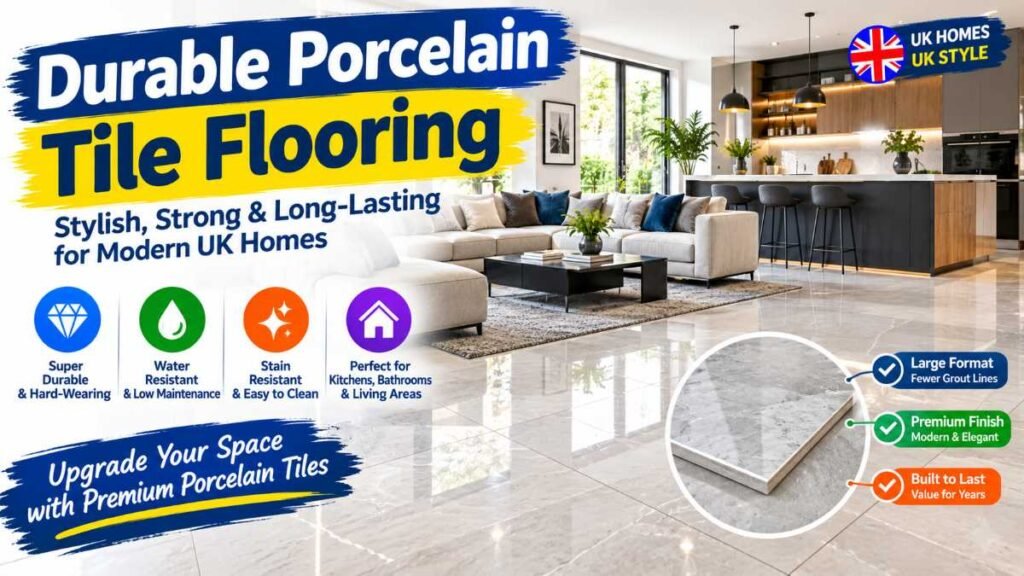
If longevity and moisture resistance are your top priorities, porcelain is an excellent choice. It has an extremely low porosity rate, meaning it resists liquid absorption and stains effectively.
- Slip Resistance Considerations: While textured finishes offer better traction, always evaluate tile texture against your household’s specific functional requirements in wet zones rather than relying solely on generic slip ratings.
- Substrate Stability: Large-format porcelain tiles may require a flexible adhesive and a decoupling membrane depending on the substrate and tile-system manufacturer guidance to accommodate structural shifts and prevent cracking.
- Professional Requirement: Cutting porcelain requires professional wet saws with diamond blades, making precise cuts around kitchen islands and cabinetry a job best left to qualified and suitably experienced local installers.
Solid vs. Engineered Wood: Understanding Limitations
While timber brings unmatched organic warmth to a home, solid wood is prone to warping and cupping when exposed to fluctuating kitchen humidity and temperature changes.
- Why Engineered Wood Wins: Engineered wood features a cross-layered plywood or softwood core that provides dimensional stability, making it far safer for kitchens. Suitability with underfloor heating depends not only on TOG values, but strictly on the flooring and heating system manufacturer’s maximum surface-temperature limits and installation instructions.
- Surface Care: Spills should be wiped up promptly. If you select an oil-finished engineered board, plan to apply maintenance coats according to the manufacturer’s instructions to preserve its moisture repellency.
5-Step Checklist for Buying Wood Floors:
- Check the Wear Layer: Look for a real wood top layer of at least 3mm to allow for future sanding if necessary.
- Verify Subfloor Compatibility: Confirm the flooring is rated for the specific moisture conditions of your ground floor.
- Finish Maintenance Style: Penetrating liquid oil coats make localized repairs significantly simpler than dealing with hard, peeling synthetic varnishes.
- Professional Acclimatization: Always follow the specific manufacturer guidelines regarding acclimatization periods and pack opening rather than relying on a universal timeframe.
- Order Samples: Always test physical samples under your kitchen’s specific lighting conditions before committing.
Natural Stone: Timeless Elegance and Intensive Upkeep
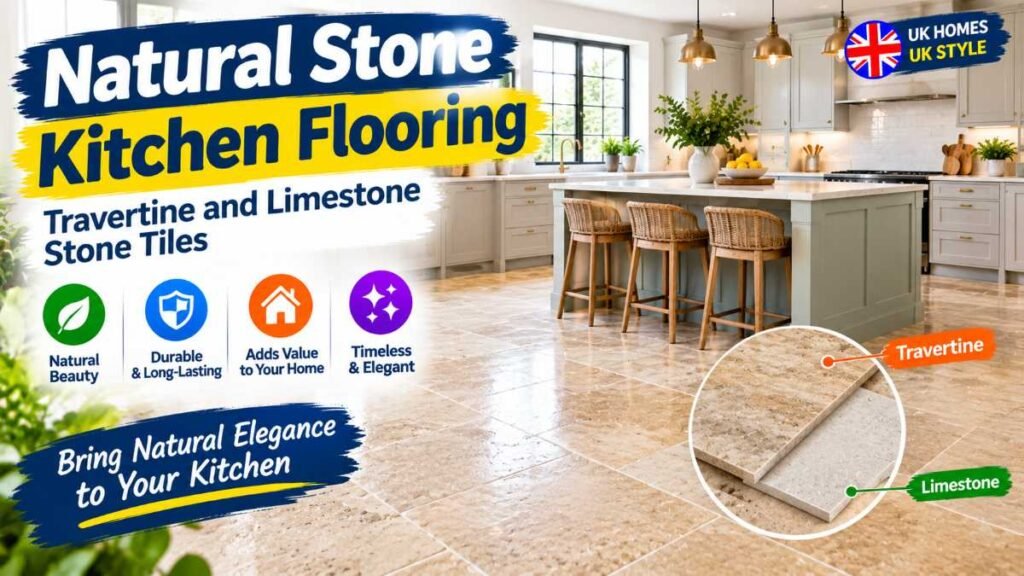
Surfaces like slate, travertine, and limestone bring incredible organic texture and visual richness to a property. However, utilizing them successfully for kitchen flooring requires strict, ongoing commitment to specialist maintenance habits.
- Protective Shield Application: Because stone densities differ significantly, slabs require customized barrier coatings. Rather than following a generic timeline, your surface sealing schedule must precisely match the stone’s mineral structure and the chemical maker’s instructions.
- Batch Consistency Management: Always acquire your paving flags from a single production run to avoid jarring color differences and disruptive veining breaks across your kitchen floor design.
Budgeting Beyond the Materials
When calculating your renovation budget, material costs represent only part of the equation. Homeowners frequently overlook essential secondary expenses:
- Subfloor Leveling: Essential in older UK properties where uneven joists or sloping concrete require self-leveling compounds.
- Waste Factor: Around 10% extra material is a useful starting point, though complex layouts and cuts may require more.
- Disposal: Budget for skip hire or waste removal services to clear away old flooring and packaging.
To explore objective buyer guidance and expert trade recommendations, check out the Which? Home Improvements Guide. To explore professional standards and find certified local fitters, you can also reference the British Institute of Fitted Interiors Specialists (BIFIS). If you are also planning layout optimizations or refreshing other areas, explore our tips on Small Kitchen Island Ideas: Big Functionality in Compact Spaces or our practical guide on How to Paint Kitchen Cabinets Under $400 (Pro Guide).
Frequently Asked Questions
FAQ 1: What is the best waterproof kitchen flooring in the UK?
For busy British homes, Luxury Vinyl Tiles (LVT) are the top kitchen flooring choice because they offer 100% waterproof defense and won’t warp or swell like traditional laminate around sinks.
FAQ 2: How much does a British kitchen floor installation typically cost?
Expect material expenses for new kitchen flooring to sit between £20 and £60+ per square metre, with trade fitting and subfloor leveling adding another £15 to £50 per square metre.
FAQ 3: Is laminate flooring a good choice for UK kitchens?
Standard laminate isn’t recommended for UK kitchens because standing moisture and humidity easily seep into the core joints, causing edges to swell and buckle over time.
FAQ 4: Why do experts recommend LVT over stone or ceramic tiles?
High-grade kitchen flooring like LVT delivers a much warmer, softer, and quieter feel underfoot compared to freezing stone slabs, while remaining completely impervious to accidental spills.
FAQ 5: How do I ensure my kitchen flooring stays waterproof during installation?
Always apply a liquid damp-proof membrane over concrete bases and seal all perimeter edges. Skipping these steps under your new kitchen flooring can trap rising moisture and ruin the adhesive.
Wrapping Up Your Kitchen Flooring Project
Your home deserves a foundation that supports your daily life without constant worry. Whether you choose the resilient waterproof comfort of Luxury Vinyl Tiles, the indestructible elegance of porcelain, or the organic warmth of engineered wood, investing in the right kitchen flooring transforms your space into a safe, functional sanctuary. Stop letting worn-out floors drain your energy and renovation budget. Take action today: order your top three material samples, verify your subfloor moisture levels, and schedule a consultation with a qualified local specialist to lay the solid foundation your dream kitchen deserves!

References & External Sources
Which? Home Improvements Guide – Independent consumer advice and expert buying standards for UK home renovations.
British Institute of Fitted Interiors Specialists (BIFIS) – Professional standards and accreditation guidelines for certified trade fitters across the UK.
UK Building Regulations (Approved Document C) – Official government specifications ensuring proper ground moisture protection and damp-proofing compliance.
Editorial Disclaimer
This guide is published for general informational purposes only. Kitchen remodeling involves structural, electrical, and plumbing considerations; always consult qualified local professionals and ensure compliance with regional building regulations.
About the Author
Dambar C.P. Rajbanshi is a digital publisher, renovation strategist, and home improvement writer. He specializes in practical home upgrades, budget management, and functional interior design, helping readers create sustainable and beautiful living spaces based on rigorous research, data benchmarking, and editorial fact-checking.
Actionable Next Step: Stop letting worn-out flooring compromise your daily routine. Order physical samples of your top two shortlisted materials today, verify your subfloor moisture levels, and consult a trusted local specialist to establish a solid foundation for your kitchen upgrade!